
Homemade Maple Kettle Corn in a Dutch Oven: Your Guide to Perfectly Sweet and Salty Popcorn
There’s an undeniable magic to a fresh batch of kettle corn. That perfect blend of hot, crispy popcorn, beautifully coated in a thin, crackly glaze that delivers both sweet and salty notes in every bite. It’s a flavor profile that instantly transports you back to childhood fairs, vibrant carnivals, or cozy movie nights at home. More than just a snack, kettle corn is a nostalgic experience, an incredibly addictive treat that has captivated palates for generations. Once you start, it’s genuinely hard to stop, making it one of the most beloved and irresistible snacks on Earth.

While classic kettle corn is fantastic, this particular Dutch oven kettle corn recipe elevates the experience to an entirely new level, all thanks to one simple yet incredibly impactful addition: a touch of real maple syrup. This isn’t just about adding more sweetness; it’s about introducing a depth and complexity that ordinary sugar alone can’t achieve. Maple syrup infuses the kettle corn with subtle, earthy, and caramel-like undertones, creating a sweetness that is rich, nuanced, and incredibly satisfying. The maple notes aren’t overtly dominant; in fact, most people won’t be able to pinpoint the exact flavor, but they’ll undoubtedly notice a superior taste, exclaiming, “Oh my gosh, this is the best kettle corn I’ve ever had!” It complements the natural flavor of the popcorn beautifully, making each kernel a burst of sophisticated delight.

For many home cooks, the idea of making homemade kettle corn can seem a little intimidating, and it’s true, there can be a bit of a learning curve. I’ll admit, I’ve had my share of burnt batches in the past! Among all the different popcorn recipes, kettle corn is notoriously the most susceptible to burning, primarily due to its high sugar content. Sugar caramelizes rapidly, and if not managed carefully, it can quickly turn from golden perfection to a bitter, charred mess. However, with a few crucial tips, smart techniques, and a watchful eye, you’ll be mastering this sweet and salty sensation in no time. Forget the guesswork and common pitfalls; we’re going to walk through every step to ensure your homemade Dutch oven kettle corn is nothing short of spectacular, every single time.
Essential Tips & Tricks for Perfect Dutch Oven Kettle Corn
Achieving perfectly coated, unburnt, and wonderfully crisp kettle corn is easier than you think when you follow these golden rules. These methods are designed to tackle the common challenges of homemade kettle corn, especially preventing the sugar from burning and ensuring an even pop.
- Increase the Cooking Oil: Unlike standard popcorn, kettle corn requires a bit more cooking oil. This isn’t just for popping; the increased oil helps to lubricate the kernels and the sugar, preventing them from sticking to the bottom of the pan and burning in one spot. It also aids in more even heat distribution, ensuring each kernel gets adequately coated and pops consistently. Aim for a neutral oil like vegetable or canola, which won’t impart unwanted flavors.
- Pre-Mix Your Kettle Corn Ingredients: This is a game-changer! Instead of adding sugar directly to the hot oil, we create a “kettle corn mix” beforehand. This recipe calls for a precise blend of popcorn kernels, sugar, and maple syrup, all mixed together in a bowl until the kernels are evenly coated. Preparing this mixture in advance means it’s ready to go into the hot pot as soon as your test kernels pop. This eliminates the need for stirring at a critical phase, ensuring the sugar coating is uniform from the start and significantly reducing the risk of uneven caramelization and burning.
- Choose the Right Cookware – A Large Dutch Oven or Deep Sauté Pan: The vessel you use makes a significant difference. A large Dutch oven is ideal because its heavy bottom provides excellent heat distribution, preventing hot spots that can scorch the sugar. The depth is crucial as it allows ample room for the popcorn to expand as it pops. A wide surface area ensures the kernels can spread out in a single layer, promoting more even popping and coating. Furthermore, a clear, tight-fitting lid is incredibly helpful, allowing you to monitor the popping action without releasing heat and moisture. My Chantal Dutch oven is my go-to for its superb performance. If you don’t have a Dutch oven, a deep sauté pan with a lid can also work, provided it meets the criteria of being large and deep.
- Shake, Shake, Shake! Constant Agitation is Key: This is, by far, the most critical step for successful kettle corn. Once the popcorn mixture is in the hot oil, you absolutely must stay right by the stove and continually shake the pot. This constant agitation ensures that every piece of popcorn moves around, preventing the sugary coating from burning to the bottom of the pan and allowing for even caramelization. Shake vigorously, moving the pan back and forth, or in a circular motion, keeping the kernels in motion. Continue shaking until the popping begins to significantly slow down, typically with several seconds between pops. As soon as you notice this decrease in popping frequency, immediately remove the pan from the burner.
- Exercise Extreme Caution with Hot Sugar: Sugar, when melted and caramelized, gets incredibly hot and can cause severe burns. Always handle the pan with care, use oven mitts, and ensure children and pets are kept at a safe distance. Avoid tasting the kettle corn immediately after it comes off the heat, as the sugar coating will still be molten and extremely hot. Safety first when dealing with this delicious but potentially dangerous molten sugar.
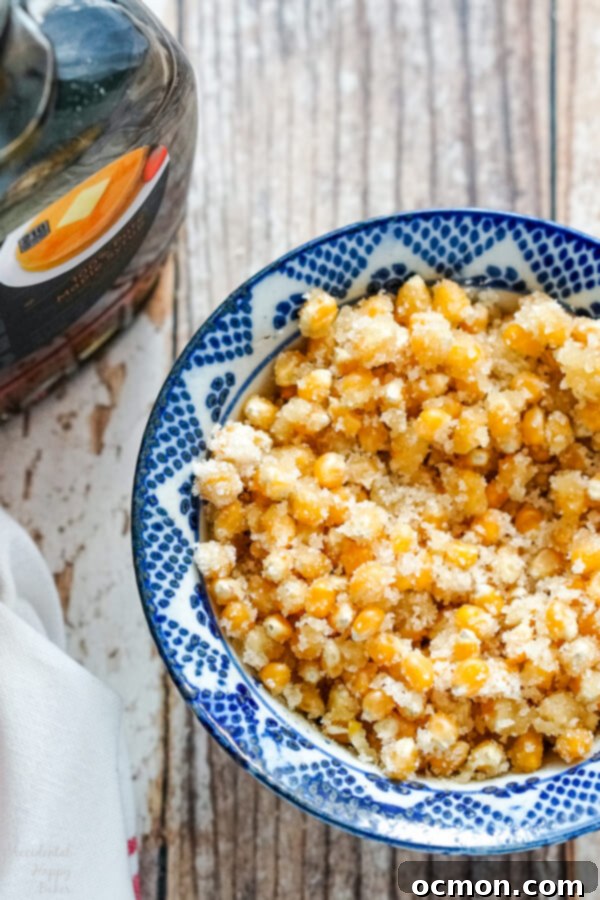
Ingredients You’ll Need for Maple Dutch Oven Kettle Corn:
Gathering your ingredients ensures a smooth and enjoyable cooking process. Quality ingredients will yield the best results for this delightful snack.
To make this irresistible Dutch Oven Kettle Corn, you’ll need a few simple items:
- A large, heavy-bottomed pan, such as a Dutch oven or a deep sauté pan with a tight-fitting lid. The heavier the pan, the better for even heat distribution.
- Cooking oil: Neutral oils like vegetable or canola oil are perfect as they have a high smoke point and won’t overpower the kettle corn’s flavor.
- Granulated white sugar: The essential component for that classic sweet crunch.
- High-quality popcorn kernels: Fresh kernels pop more reliably and produce a fluffier result.
- Real maple syrup: This is our secret ingredient! Ensure it’s real maple syrup for that complex, deep sweetness, not pancake syrup which is often corn syrup-based.
- Kosher salt: The coarser grains of kosher salt adhere well to the popcorn and provide a superior salty kick, balancing the sweetness perfectly.
Step-by-Step Guide to Making Maple Dutch Oven Kettle Corn:
Follow these detailed steps to create a batch of perfect sweet and salty kettle corn that will impress everyone.
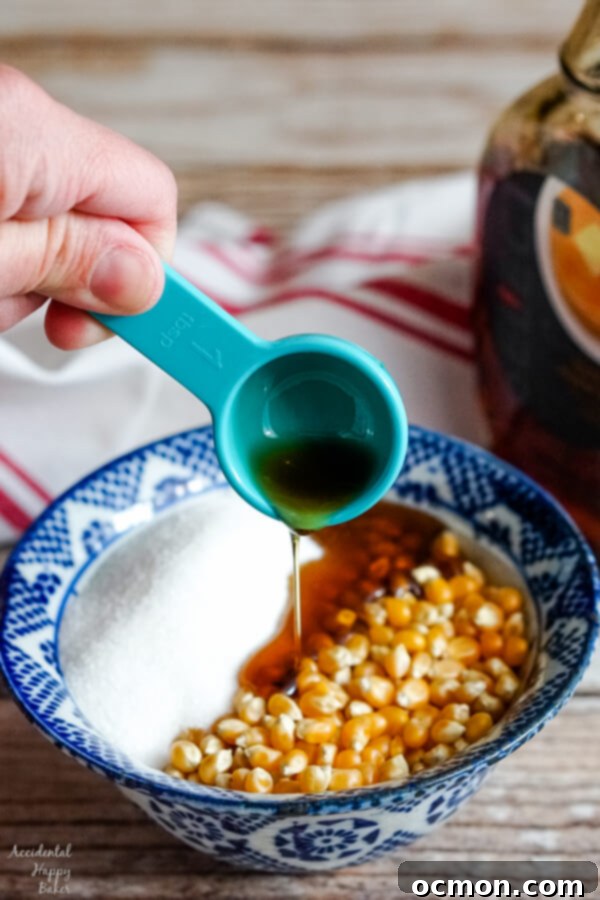
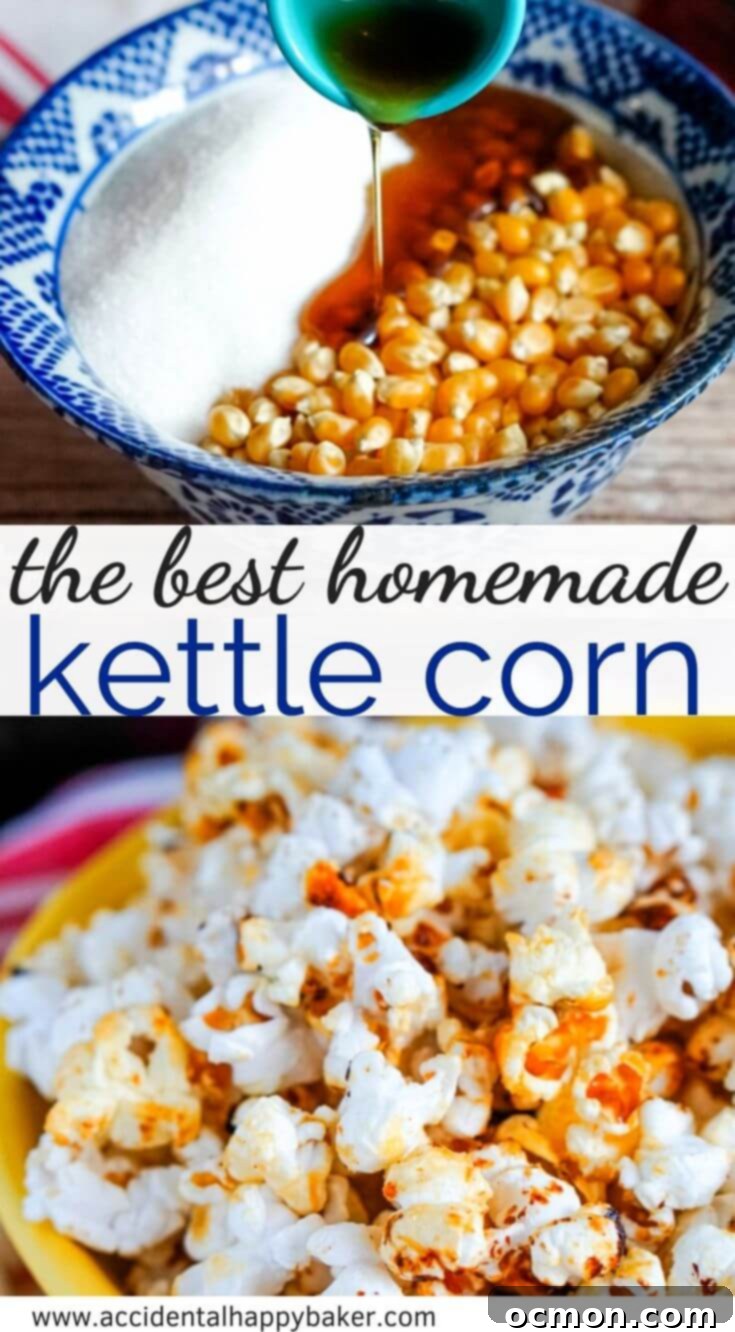
- Prepare the Popcorn Mixture: In a medium-sized bowl, combine 1/2 cup of popcorn kernels, 1/4 cup of granulated white sugar, and 1 tablespoon of real maple syrup. Stir everything together thoroughly until the popcorn kernels are evenly coated with the sugar and maple syrup mixture. This pre-coating step is crucial for achieving consistent caramelization and flavor distribution. Set this bowl aside; it will be ready to go when your oil is hot.
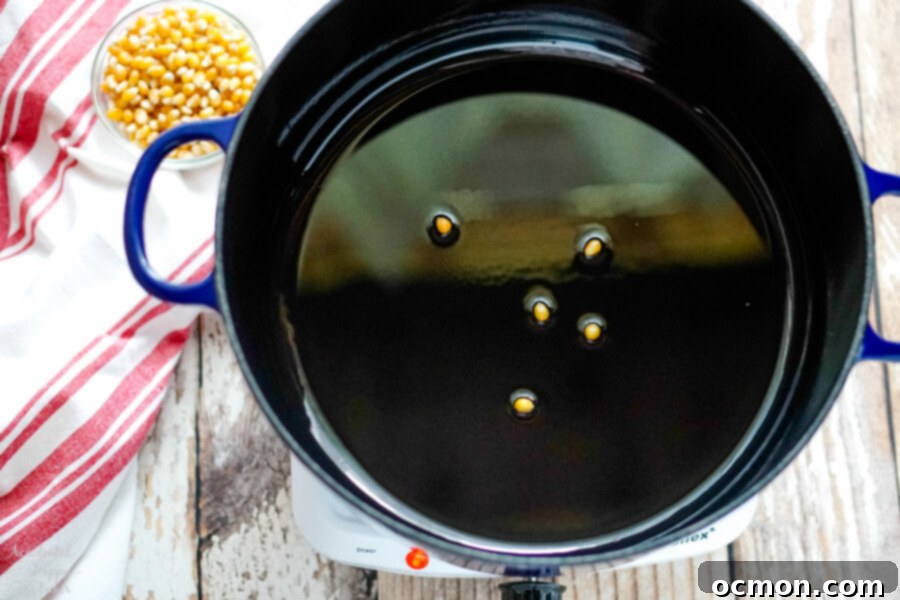
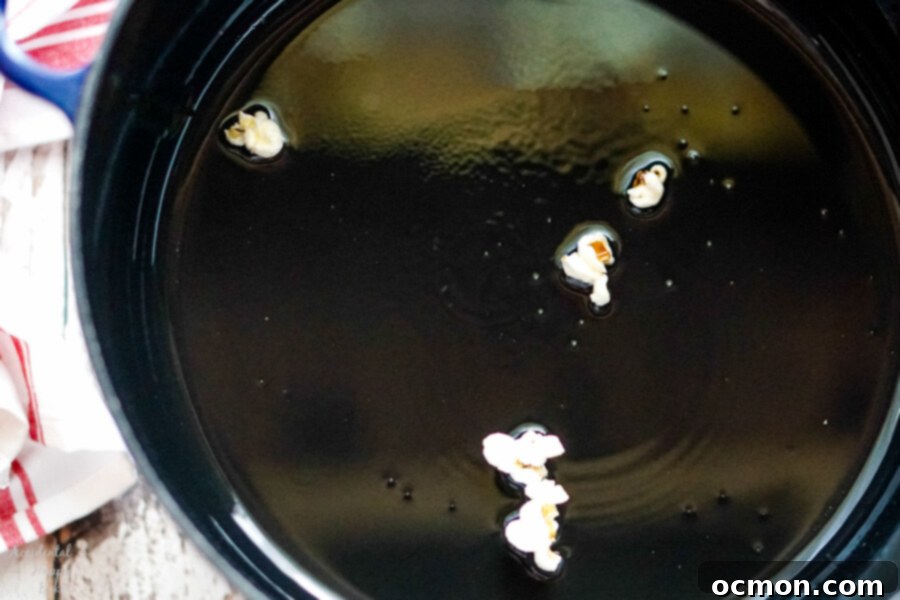
- Heat the Oil with Test Kernels: Pour 1/2 cup of your chosen cooking oil into your large Dutch oven or deep sauté pan. Add about 3-4 popcorn kernels to the oil. Cover the pan with its lid and place it over medium heat. These kernels are your “test kernels.” They will indicate when the oil has reached the perfect temperature for popping. When you hear these test kernels pop, you’ll know it’s time for the next step. This method prevents overheating the oil and burning the sugar prematurely.
- Add the Mixture and Set Your Timer: Once the test kernels have popped, carefully remove them from the pan if desired, or simply add the sugared popcorn mixture you prepared in Step 1 into the hot oil. Immediately cover the pan with the lid. As soon as you hear the first kernel from the new batch pop, set a timer for approximately 3 minutes. This timer serves as a guideline for the popping duration, but your ears will be the ultimate judge.
- The Crucial Shake and Remove from Heat: Stay right by the stove for the entire 3 minutes (or until popping slows). Continuously shake the pan to prevent the sugar from burning and ensure even popping and coating. Use a back-and-forth or circular motion to keep the kernels constantly agitated. When the vigorous popping begins to slow down significantly (meaning there are 2-3 seconds between pops), immediately remove the pan from the heat. However, do not remove the lid just yet! Leave the lid on for another 15-20 seconds to allow any “late bloomers” to pop safely inside the pan, preventing hot popcorn from escaping and causing burns.
- Season and Serve: Carefully transfer the freshly popped kettle corn to a large, wide bowl using a slotted spoon. This allows any unpopped kernels or stray burnt sugar bits to remain in the pan, ensuring only delicious kettle corn makes it to your serving bowl. Sprinkle 1/4 teaspoon of kosher salt evenly over the kettle corn and gently stir to distribute. Then, add the remaining 1/4 teaspoon of kosher salt and stir once more. Dividing the salt ensures more even coverage and that perfect sweet-and-salty balance in every mouthful.
- Enjoy or Store: Your maple kettle corn is now ready to be enjoyed! It’s absolutely delicious served warm, with the sugar coating still slightly tacky and the popcorn at its crispiest. If you plan to store it, ensure it has cooled completely and dried thoroughly before transferring it to an airtight container. Storing it before it’s completely dry can lead to soggy popcorn, losing its delightful crunch.

Why a Dutch Oven is Your Best Friend for Kettle Corn
While various methods exist for making popcorn, the Dutch oven stands out as the superior choice for kettle corn. Its heavy-bottomed construction provides unparalleled heat distribution, crucial for preventing the sugar from scorching. Unlike thinner pots that can develop hot spots, a Dutch oven maintains a consistent temperature across its surface, allowing the sugar to caramelize evenly. Its thick walls also retain heat exceptionally well, ensuring that once the popcorn starts popping, the cooking process remains steady. The ample volume of a Dutch oven gives the popcorn plenty of room to expand, leading to fewer unpopped kernels and a larger, fluffier yield. This robust cookware transforms a potentially tricky snack into a consistently perfect culinary endeavor.
The Sweet & Salty Symphony: A Culinary Perspective
The allure of kettle corn lies in its iconic sweet and salty flavor profile, a combination universally loved across cultures. This harmonious balance creates a sensory experience that tantalizes the taste buds, hitting two primary pleasure centers simultaneously. The sweetness of the caramelized sugar provides an immediate burst of energy and comfort, while the salt enhances and sharpens those sweet notes, preventing them from becoming cloying. The salt also stimulates saliva production, making the snack even more palatable and addictive. Our brains are wired to find this contrast appealing, making kettle corn not just a snack, but a truly satisfying culinary paradox that keeps you reaching for more.
Customizing Your Kettle Corn: Beyond the Basic Batch
While our maple kettle corn recipe is a masterpiece on its own, don’t hesitate to experiment with variations to suit your taste. For an extra layer of warmth and spice, try adding a pinch of cinnamon or a dash of vanilla extract to your sugar and maple syrup mixture. You could also experiment with different types of salt – a flakey sea salt sprinkled at the end can add an exquisite crunch and a more intense saline burst. For a touch of heat, a tiny amount of cayenne pepper can introduce an unexpected kick that pairs surprisingly well with the sweetness. The beauty of homemade kettle corn is the endless possibilities for customization, allowing you to create a personalized snack that’s uniquely yours.
Common Kettle Corn Mistakes and How to Avoid Them
Even with the best intentions, things can go awry. Here’s a quick guide to common pitfalls and how to steer clear of them:
- Too Many Unpopped Kernels: This usually indicates the oil wasn’t hot enough when you added the popcorn. Ensure your test kernels pop briskly before adding the full mixture. Insufficient shaking can also contribute, as kernels need consistent contact with the hot oil to pop.
- Burnt Kernels or Scorched Sugar: The most frequent culprit. This happens when the heat is too high, or more commonly, when you don’t shake the pan enough. Molten sugar burns very quickly. Remember, constant, vigorous shaking is non-negotiable! Also, remove the pan from heat as soon as popping slows significantly.
- Soggy or Sticky Kettle Corn: If your kettle corn isn’t crisp, it likely didn’t dry properly before storage, or it was stored in a container that wasn’t airtight, allowing moisture in. Always ensure it’s completely cool and dry to the touch before packing it away.
- Uneven Coating: This can be a result of not pre-mixing the kernels, sugar, and maple syrup thoroughly, or not shaking the pot enough during cooking. The pre-mix method in our recipe largely solves this issue.
By understanding these common mistakes, you’re better equipped to achieve perfect kettle corn every single time, making your homemade efforts truly rewarding.
See all the recipes from popcorn week here

Dutch Oven Kettle Corn
Print
Rate
SaveSaved!
Ingredients
- 1/2 cup vegetable or canola oil
- 1/2 cup popcorn kernels
- 1/4 cup white sugar
- 1 Tablespoon real maple syrup
- 1/2 teaspoon of kosher salt (divided)
Instructions
-
In a small bowl, thoroughly mix together 1/2 cup popcorn kernels, 1/4 cup white sugar, and 1 tablespoon of real maple syrup until all kernels are evenly coated. Set this prepared mixture aside.
-
Add 1/2 cup of cooking oil to your large Dutch oven or deep sauté pan. Drop in about 3-4 popcorn kernels to serve as your test kernels. Cover the pan and heat it over medium heat. These test kernels are your indicator; when they pop, you’ll know the oil has reached the ideal temperature for popping.
-
Once you hear the test kernels pop, signaling the oil is at the perfect temperature, carefully add the prepared sugared popcorn mixture to the pan. Immediately cover it with the lid. As soon as you hear the first kernel from this batch pop, set a timer for approximately 3 minutes.
-
Remain by the stove and cook the popcorn for around 3 minutes, shaking the pan continuously and vigorously. This constant shaking is essential to prevent the sugar from sticking to the bottom and burning, ensuring every kernel is evenly coated and popped. When the popping sounds begin to significantly slow down (e.g., several seconds between pops), immediately remove the pan from the heat, but keep the lid on for an additional 15-20 seconds to catch any last-minute “late bloomers” and prevent hot popcorn from escaping.
-
Carefully transfer the kettle corn to a large, wide serving bowl using a slotted spoon. This method helps to leave behind any unpopped kernels or burnt sugar bits at the bottom of the pan, ensuring only the delicious, perfectly popped kettle corn is served.
-
Sprinkle the kettle corn with 1/4 teaspoon of kosher salt and gently stir to distribute. Then, add the remaining 1/4 teaspoon of salt and stir once more. This divided salting technique ensures a more even distribution and a balanced sweet and salty flavor in every bite.
-
Your delightful maple kettle corn can be enjoyed warm for an immediate treat, or you can allow it to cool completely for later enjoyment.
-
If you plan to store the kettle corn, make absolutely sure it has completely cooled and dried before transferring it to an airtight container. This crucial step maintains its crispness and prevents it from becoming soggy.
Pin it for later!
Accidental Happy Baker is a participant in the Amazon Services LLC Associates Program, an affiliate advertising program. As an Amazon Associate I earn from qualifying purchases at amazon .com at no additional cost to you.