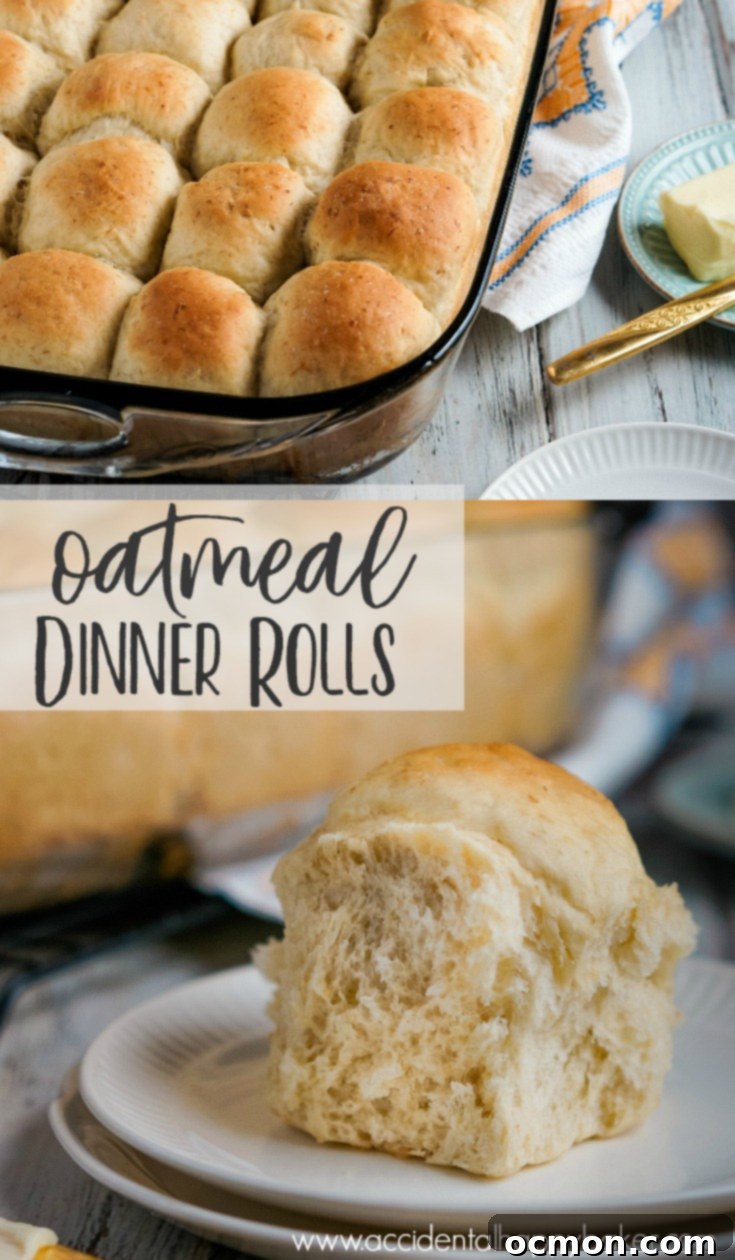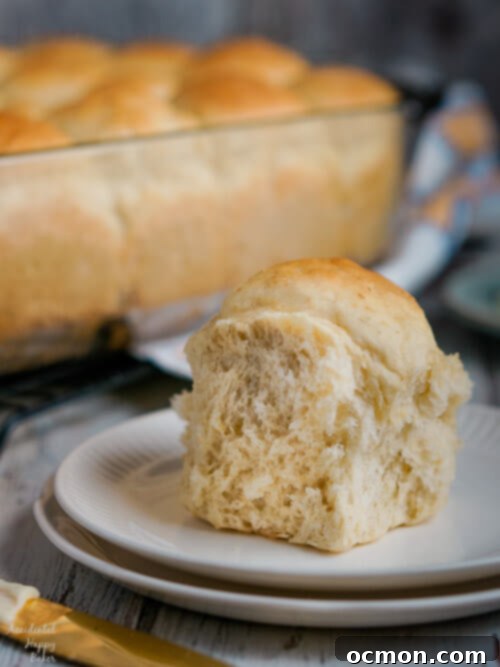
The Best Fluffy & Sweet Oatmeal Dinner Rolls Recipe: A Hearty Homemade Delight
There’s something uniquely comforting and deeply satisfying about homemade bread, especially warm dinner rolls fresh from the oven. These Oatmeal Dinner Rolls are no exception. They are incredibly light and fluffy, with a delightful softness that melts in your mouth. Their mildly sweet flavor, enhanced by the subtle earthiness of oats, makes them an instant classic. They are surprisingly easy to make, yet taste like absolute perfection, embodying everything you love about wholesome, comforting baking. Get ready to welcome your new favorite dinner roll into your culinary repertoire!
Have you ever had one of those days where nothing goes according to plan? Perhaps your morning routine is completely derailed by an unexpected event, like a flat tire on the way to run errands. Just as a small setback can throw off your entire day, a tiny oversight in baking can significantly impact your recipe. For instance, the very first time I attempted to perfect these oatmeal rolls, my plans were severely sidetracked by a crucial, yet often overlooked, ingredient: old yeast. You see, old yeast isn’t just “less active” – it’s often completely dead. And dead yeast means no rise, leaving you with dense, unappealing rolls instead of the airy, cloud-like texture we all crave.
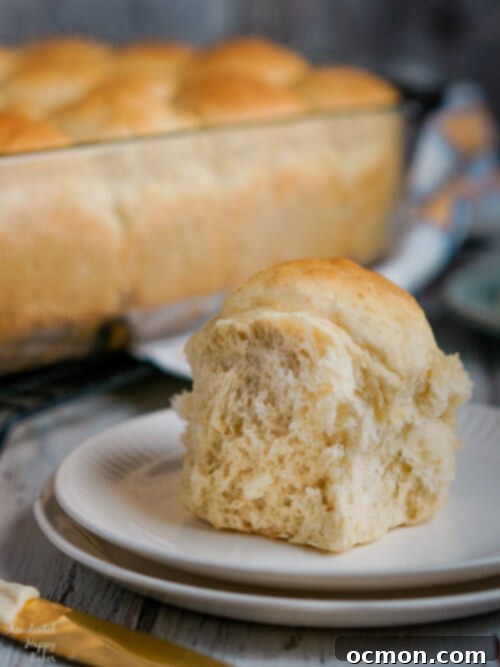
Ensuring Your Yeast is Active: A Crucial First Step
Before you embark on your journey to baking these perfect oatmeal rolls, it’s absolutely vital to ensure your yeast is fresh and active. This simple test takes just a few minutes and can save you hours of wasted effort and ingredients. If you haven’t checked your yeast recently, or if you’re using a packet that’s been sitting in your pantry for a while, here’s how you can perform a quick and reliable vitality test:
Grab a liquid measuring cup and add 1/2 cup of warm water – think bathwater temperature, ideally between 105-115°F (40-46°C). It’s crucial that the water isn’t too hot, as excessive heat will kill the delicate yeast organisms, and not too cold, which will inhibit their activation. Stir in 1 teaspoon of sugar; this acts as readily available food for the yeast, helping to kickstart their metabolic processes and encourage bubbling. Finally, add 2 1/4 teaspoons of your active dry yeast. Give it a gentle stir to combine, then set it aside in a warm spot for about 10 minutes. Within this time, if your yeast is alive and well, you should see a foamy, bubbly layer forming on the surface, and the mixture should have noticeably grown, ideally reaching the 1-cup line. This bubbly cap indicates that the yeast is actively consuming the sugar and producing carbon dioxide, which is precisely what you need for light, airy rolls. If your yeast mixture remains flat, without any signs of activity, it’s a clear indication that it’s time to buy new yeast. Don’t skip this critical step – it’s the foundation of successful yeast baking, ensuring your oatmeal dinner rolls achieve that desired light and fluffy texture!
Why Oatmeal Dinner Rolls Are So Special
These oatmeal dinner rolls hold a special place in my heart, and they represent exactly the kind of delicious, comforting homemade recipe I envisioned sharing when I first started this blog. They evoke the nostalgic warmth of my grandma’s kitchen, where every dish was made with love and tasted incredibly wholesome. What truly makes these rolls stand out from other dinner roll recipes?
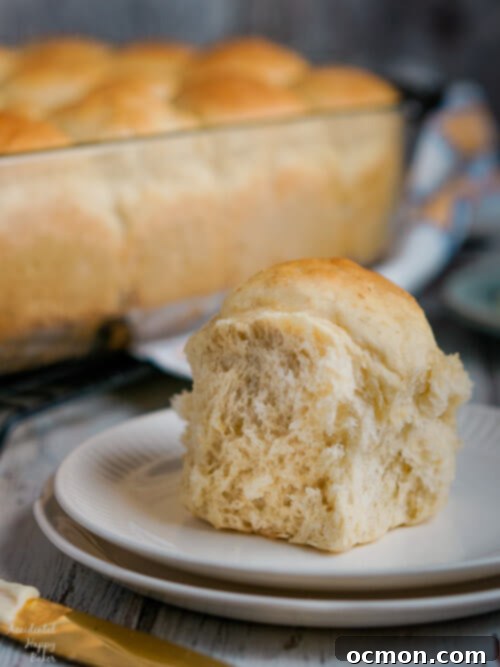
- Unmatched Texture: They are wonderfully light and exquisitely fluffy, a characteristic that often surprises people given the inclusion of oats. The oats, after soaking in boiling water and being thoroughly kneaded into the dough, almost magically transform. Their texture practically disappears within the rolls, leaving behind an incredibly tender, moist crumb rather than a chewy or grainy feel. This unique texture is a highlight, making these rolls exceptionally pleasant to eat.
- Delicate Sweetness: Unlike some overly sweet baked goods, these rolls boast a perfectly balanced, delicate sweetness. It’s derived from the brown sugar and complements the natural flavor of the oats beautifully, creating a roll that’s indulgent enough to feel special without being so sweet that it overwhelms savory main courses. This makes them suitable for a wide range of meal pairings.
- Hearty & Wholesome Goodness: The addition of old-fashioned oats contributes significantly not only to their unique, subtly nutty flavor but also adds a comforting heartiness and a nutritional boost. Oats are celebrated for being a fantastic source of dietary fiber, vitamins, and minerals, making these rolls a slightly healthier, whole-grain option compared to traditional white flour rolls. You can feel good about serving these wholesome rolls to your family and friends.
- Incredible Versatility of the Dough: While these rolls are absolutely perfect as a side for any dinner, the dough itself is incredibly versatile, making it a fantastic base for various other baked goods. It makes amazing sandwich buns, providing a sturdy yet soft foundation that holds up beautifully to your favorite fillings – think pulled pork, grilled chicken, or even a hearty veggie burger. Beyond savory applications, you can easily transform this very dough into delectable cinnamon rolls or other sweet pastries. Its adaptability for both sweet and savory creations truly showcases its value and makes it a go-to dough for many baking projects.
Tips for Baking the Perfect Oatmeal Dinner Rolls
Achieving bakery-quality dinner rolls at home is entirely possible with a few key considerations and baking best practices. Here are some essential tips to help you along the way, ensuring your oatmeal dinner rolls turn out perfectly every time:
- Precise Temperature Control: As highlighted earlier, yeast is a living organism, and its activity is highly dependent on temperature. Always ensure your warm water for yeast activation is precisely that – warm, between 105-115°F (40-46°C). Water that’s too hot will kill the yeast, rendering it inactive, while water that’s too cold will drastically slow down or prevent activation. Equally important is allowing the oat and butter mixture to cool completely to room temperature before combining it with the activated yeast. Adding yeast to a hot mixture will also destroy its leavening power.
- The Importance of Proper Kneading: Kneading is where the essential process of gluten development occurs. Gluten is the protein network that gives bread its structure, elasticity, and chewy texture. The dough for these oatmeal rolls is naturally somewhat sticky due to the oats and brown sugar, which can be challenging if kneading by hand. If you own a stand mixer equipped with a dough hook, I highly recommend utilizing it; it will significantly ease the process and ensure thorough, consistent kneading, typically for 6-8 minutes on medium speed. The dough should become smooth, elastic, and pull away cleanly from the sides of the bowl. If kneading by hand, be prepared for a slightly sticky experience; a lightly floured surface, a bench scraper, and strong hands will help you achieve the desired consistency, though it may take 10-15 minutes. Resist the urge to add too much extra flour, as this can lead to dense, dry rolls.
- Patience During Rising Times: Don’t rush the rising process; it’s one of the most crucial steps in yeast baking. Both the first rise (often called bulk fermentation) and the second rise (proofing) are absolutely essential for developing deep flavors, achieving that desirable light, airy texture, and ensuring the rolls are tender. A warm, draft-free spot is ideal for rising. If your kitchen is cool, you can create a warm environment by placing the covered bowl in a slightly warm oven (turned off, perhaps preheated to its lowest setting for just a minute and then turned off completely before placing the dough inside) or near a sunny window. The dough should double in size for both rises.
- Consistent Shaping for Uniform Baking: When you divide the dough, try your best to make each piece as equal in size as possible. This consistency is vital because it ensures that all your rolls bake uniformly. If some rolls are significantly larger or smaller, they will cook at different rates, leading to some being overdone while others are still undercooked. A kitchen scale can be an incredibly helpful tool for precise measurements, guaranteeing perfectly sized rolls.
- Avoid Overbaking: Keep a close eye on your rolls, especially during the last few minutes of their baking time. They should achieve a beautiful golden-brown color on top and sound hollow when gently tapped on the bottom. Overbaking is a common pitfall that can lead to dry, tough rolls. If you’re unsure, it’s generally better to err on the side of slightly underbaking, as the rolls will continue to cook slightly from residual heat after being removed from the oven. For optimal freshness, once cooled, store leftover rolls in an airtight container at room temperature for up to 2-3 days, or freeze for longer storage.
Serving Suggestions for Your Delicious Oatmeal Rolls
Once your beautiful oatmeal dinner rolls emerge golden brown and fragrant from the oven, the serving possibilities are truly endless! Their versatile, subtly sweet and hearty flavor profile means they pair wonderfully with a wide array of dishes, making them a delightful addition to almost any meal. Here are some ideas to inspire you and elevate your dining experience:
- Classic Dinner Companion: Serve them warm with a generous knob of butter, perhaps some homemade jam, or a drizzle of honey. They are an ideal accompaniment to hearty soups, robust stews, perfectly roasted chicken, savory pot roast, or any traditional family dinner. Their absorbent texture is absolutely perfect for soaking up rich gravies and delectable sauces, ensuring not a drop of flavor goes to waste.
- Elevated Holiday Feasts: These substantial and flavorful rolls are certainly worthy of a place on your most festive holiday table. They beautifully complement holiday mainstays like a succulent Thanksgiving turkey, a glazed Christmas ham, or a tender Easter lamb, adding a touch of homemade elegance to your special occasions.
- Delightful Breakfast or Brunch Treat: Don’t limit these to dinner! Slather them with your favorite fruit preserves, marmalade, or a dollop of cream cheese for a truly delightful breakfast or brunch item. For an extra sweet morning bun, you could even brush them with melted butter and sprinkle them with cinnamon sugar before their final bake.
- Homemade Sandwiches and Sliders: As mentioned, this versatile dough makes fantastic sandwich buns. Split them open and fill them with leftover roast beef, thinly sliced turkey, savory pulled pork, a slice of sharp cheddar cheese, or even create miniature sliders for a party appetizer. Their soft yet sturdy texture holds up incredibly well to various fillings.
- A Unique Take on Garlic Bread: For a delicious twist, slice the cooled rolls in half horizontally, spread them generously with homemade garlic butter, and broil lightly until golden and fragrant. It’s a wonderfully flavorful alternative to traditional garlic bread.
- Creative Dessert Transformations: Beyond simply making cinnamon rolls, you can get truly creative! Consider brushing them with melted butter and sprinkling with a mixture of sugar and a hint of cardamom for a delightful cardamom bun alternative, or even use them as a base for sweet fruit turnovers.
However you choose to enjoy them, these homemade oatmeal dinner rolls are guaranteed to bring warmth, comfort, and immense joy to your table. They are a testament to the simple pleasure of baking from scratch, allowing you to create something truly special and memorable with your own hands.
Oatmeal Dinner Rolls
Print
Rate
SaveSaved!
Ingredients
- 1 cup old fashioned oats
- 3 Tablespoons butter
- 2 cups boiling water
- 4 1/2 teaspoons active dry yeast
- 1/3 cup warm water
- 2/3 cup brown sugar (packed)
- 1 1/2 teaspoon salt
- 5 cups all purpose unbleached flour
Instructions
-
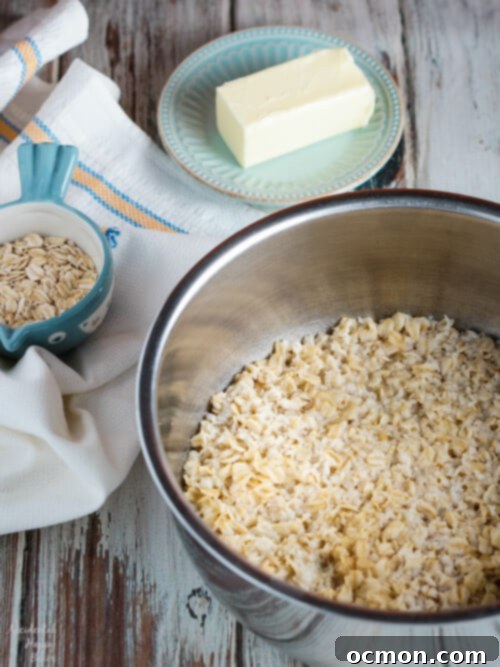
Prepare the Oat Mixture: In a large, heat-proof mixing bowl, combine the old-fashioned oats and butter. Carefully pour the two cups of boiling water over them. Stir gently to ensure the butter melts and the oats are fully submerged. Allow this mixture to sit undisturbed until it has cooled completely to room temperature. This step is critical; if the mixture is too hot when you add the yeast later, it will kill the yeast.
-
Activate the Yeast and Combine Wet Ingredients: While the oat mixture cools, prepare your yeast. In a small bowl or liquid measuring cup, add the 4 1/2 teaspoons of active dry yeast to the 1/3 cup of warm (not hot!) water. Stir it very gently until the yeast is mostly dissolved, then let it sit for about 5-10 minutes until it becomes foamy and visibly active. Once the oat mixture has reached room temperature, add the activated yeast mixture, brown sugar (packed), and salt to the bowl. Stir everything gently to combine these wet ingredients thoroughly.
-
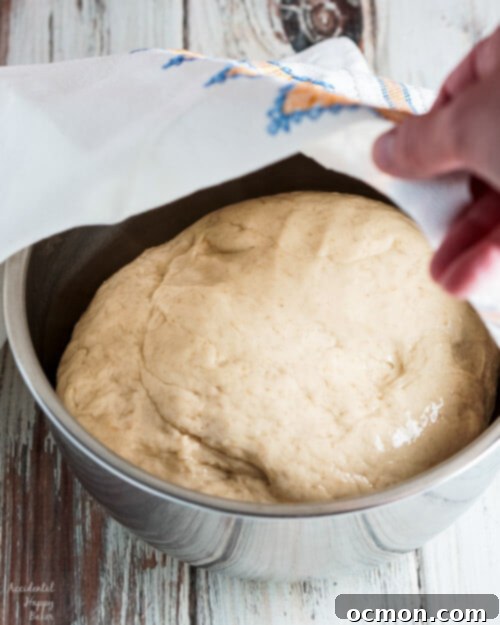
Knead the Dough and First Rise: Gradually add the 5 cups of all-purpose unbleached flour, one cup at a time, incorporating it fully before adding the next. Once all the flour is added, begin kneading the dough. If using a stand mixer with a dough hook, knead for 6-8 minutes on medium speed. If kneading by hand, this will take about 10-15 minutes. Continue kneading until the dough becomes smooth, elastic, and no longer excessively sticky. Transfer the kneaded dough to a lightly oiled bowl, turning it once to coat, then cover the bowl loosely with plastic wrap or a clean kitchen towel. Place it in a warm, draft-free spot and let it rise for about one hour, or until it has visibly doubled in size.
-
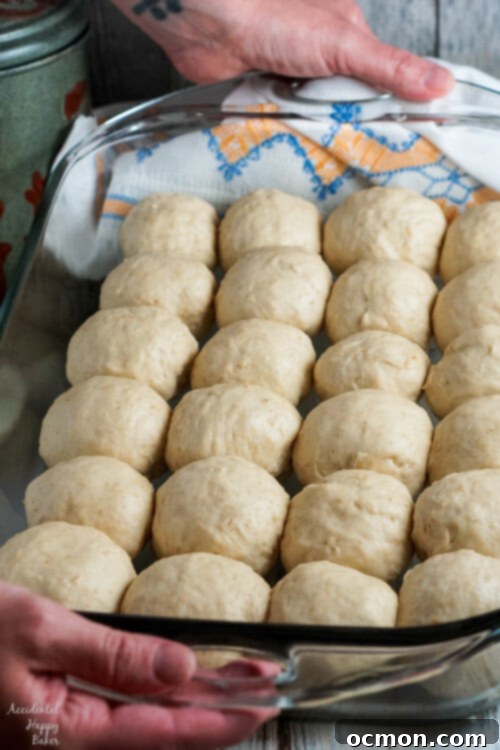
Shape the Rolls and Second Rise (Proofing): Gently punch the risen dough down to release the air. Transfer it to a lightly floured surface and divide it into 24 equal pieces. For best results and even baking, use a kitchen scale to ensure each piece weighs approximately the same. Shape each piece into a smooth, round roll. Arrange the shaped rolls in a greased 13×9 inch baking pan, leaving a small space between each roll. Cover the pan again and allow the rolls to rise for a second time, for another 20-30 minutes, or until they look puffy and have nearly doubled in size once more. This second rise is known as proofing and contributes to the final light and airy texture.
-
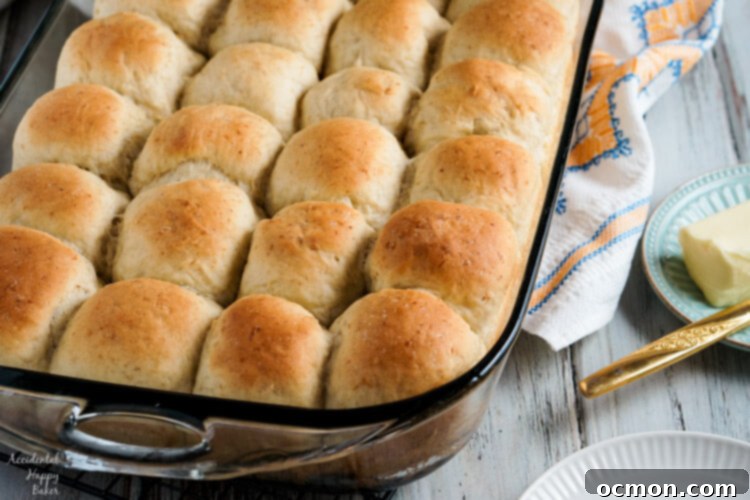
Bake to Golden Perfection: While your rolls are enjoying their final rise, preheat your oven to 350 degrees Fahrenheit (175 degrees Celsius). Once preheated and the rolls have fully risen, place the pan in the center of the oven. Bake for 20 to 25 minutes, or until the tops are beautifully golden brown and the rolls sound hollow when gently tapped on the bottom. Remove from the oven and, if desired, brush lightly with melted butter for extra shine and flavor. Serve warm and enjoy!
Notes
Nutrition