Authentic German Gingerbread Cookies (Lebkuchen): A Timeless Christmas Tradition
Step into a world of cherished holiday traditions with these thick, soft, and utterly delightful German gingerbread cookies, known lovingly as Lebkuchen. These beautiful treats, often topped with a delicate layer of chocolate and crunchy nuts, offer a unique taste and a rich history that harks back to Christmases of old. More than just a dessert, Lebkuchen embodies the spirit of German holiday baking, bringing warmth, comfort, and an unforgettable aroma to any festive occasion.
German gingerbread cookies, famously known as Lebkuchen, are a quintessential part of Christmas celebrations throughout Germany and beyond. These traditional German Christmas cookies are renowned for their distinctive thick and soft texture, a delightful contrast to the crispier gingerbread varieties found elsewhere. What truly sets Lebkuchen apart is its unique and aromatic spice blend, a symphony of flavors that evokes a sense of old-world charm and festive nostalgia.
Unlike many modern, brightly colored Christmas confections, Lebkuchen often presents a more rustic yet elegant appearance. Typically adorned with a rich chocolate glaze and a sprinkle of nuts, these cookies possess a timeless beauty. A wonderful characteristic of many old-fashioned recipes, including these cookies, is that their flavor actually deepens and improves over time. This makes them an ideal candidate for preparing in advance of your holiday gatherings, allowing the complex spices to meld and the texture to become even more tender.
The Fascinating History of Lebkuchen: From Monastic Origins to Holiday Staple
The origins of these beloved German gingerbread cookies stretch back centuries, with their creation traditionally attributed to Catholic monks in the 14th century. During this era, each ingredient held symbolic meaning, elevating the cookies to a highly prized status. Historical records even suggest that early Lebkuchen cookies sometimes contained a communion wafer, reflecting their sacred beginnings. This unique historical detail underscores the deep cultural and spiritual roots of these cookies, far beyond their modern-day status as a festive treat.
Over time, Lebkuchen evolved from a monastic delicacy to a widespread commercial product, particularly flourishing in cities like Nuremberg (Nürnberg) and Aachen. Nuremberg, in particular, became a renowned center for Lebkuchen production, with its geographical location providing easy access to exotic spices from the Silk Road. The strict guilds protected the Lebkuchen recipes, ensuring their quality and distinctiveness. Different regions developed their own variations, such as the famous Elisenlebkuchen, known for its high nut content and minimal flour, or Aachener Printen, a harder, spiced cookie. While the variety we share today is a more basic and accessible version, it carries the same spirit of tradition and flavor that has delighted generations.
This rich history is part of what makes baking Lebkuchen so special. Each bite connects you to centuries of German culture, a lineage of bakers who perfected this sweet, spicy, and satisfying treat. It’s a culinary journey back in time, allowing you to partake in a tradition that has warmed hearts and homes for over 600 years.
Crafting the Perfect German Gingerbread: Aromatic Spices and Simple Steps
While there are many exquisite varieties of Lebkuchen, the recipe we are sharing with you today is wonderfully straightforward, designed to bring authentic German flavors to your kitchen without requiring specialized ingredients. These cookies are crafted with a comforting blend of molasses, cinnamon, cloves, coriander, cardamom, ginger, allspice, and nutmeg.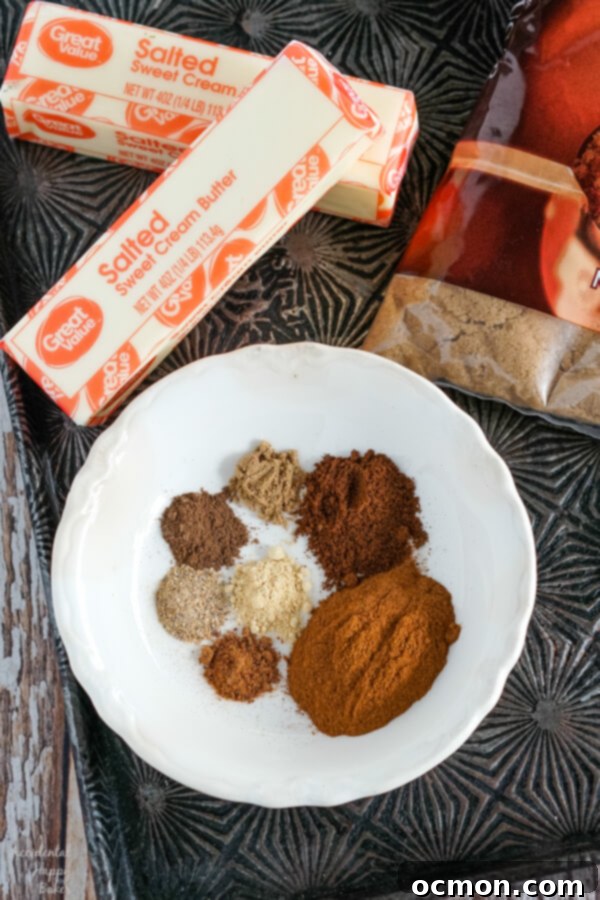
This particular spice blend creates a distinctive aroma and taste that stands out from your average gingerbread. The molasses contributes a deep, rich sweetness and moisture, while the combination of cinnamon and ginger provides the classic gingerbread warmth. Cloves and allspice add a pungent, sweet-peppery note, perfectly balanced by the earthy citrus of coriander and the bright, slightly floral hint of cardamom. Nutmeg rounds out the profile with its sweet, nutty essence. It’s a complex and harmonious blend that truly captures the “old world flavor” promised by traditional Lebkuchen.
One of the great advantages of this recipe is the accessibility of its ingredients. You’ll likely find all these wonderful spices at your local supermarket, eliminating the need to search for specialized ingredients or order authentic Lebkuchengewurz spice mixes online. This makes preparing these German gingerbread cookies a joy rather than a chore, allowing you to focus on the festive experience of baking.
Tips for Achieving Heavenly Lebkuchen
- Embrace the “Aging” Process: As mentioned, these cookies taste even better after a few days. The flavors deepen, and the texture becomes wonderfully soft. Store them in an airtight container at room temperature with a slice of apple or a piece of bread to help maintain their moisture and encourage the flavors to meld beautifully.
- Perfecting the Dough: The dough for Lebkuchen is typically soft and a bit sticky. Don’t be tempted to add too much extra flour, as this can result in dry cookies. Using a cookie scoop helps portion them evenly and prevents sticking to your hands. While the recipe suggests dropping them, if you prefer a more uniform shape, you can slightly flatten the scooped dough balls after placing them on the baking sheet.
- Baking to Perfection: Keep a close eye on your cookies as they bake. They should be just firm to the touch and slightly puffed. Overbaking can lead to a harder texture, so err on the side of underbaking if unsure. They will continue to set as they cool.
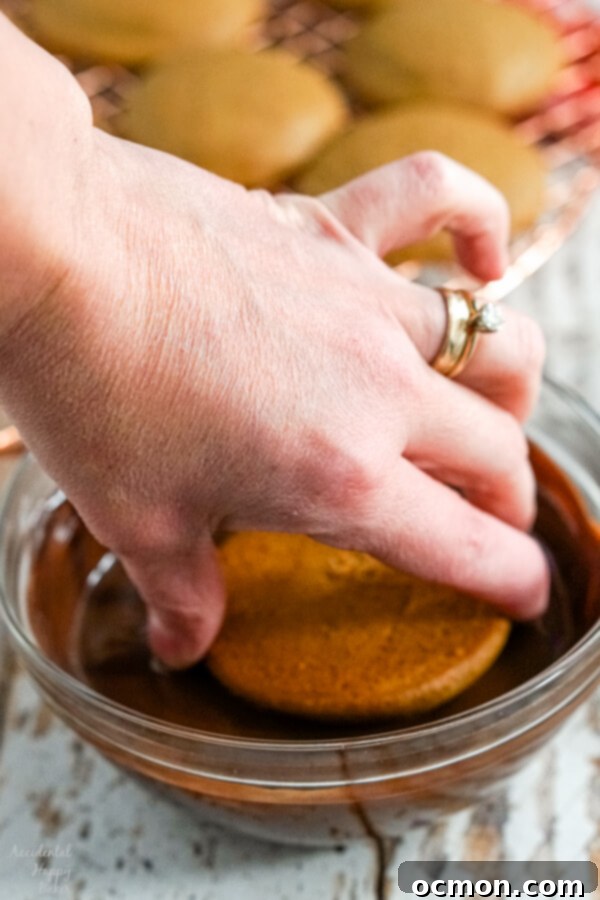
- Chocolate Dipping Technique: For a smooth, even chocolate coating, ensure your chocolate and shortening mixture is perfectly melted and free of lumps. Dip only the top surface of the cooled cookies. Letting excess chocolate drip off before placing them on a wire rack will prevent pooling and give a cleaner finish.

- Nutty Finishes: Slivered almonds are a classic choice, but feel free to experiment with other nuts like chopped walnuts, pecans, or pistachios for a different flavor and visual appeal. Press them gently into the wet chocolate for them to adhere properly.

We truly hope that you will enjoy these unique German gingerbread cookies and that they become a cherished family favorite for your holiday celebrations. Their distinct flavor, tender texture, and rich history make them a standout addition to any Christmas cookie platter or a thoughtful homemade gift.
More delightful cookie and candy recipes perfect for your Christmas treat platter:
- Mint Middle Fudge Crinkles
- Pistachio Swirl Fudge
- Chocolate Orange Shortbread Cookies
- Rocky Road Haystack Cookies

German Gingerbread Cookies
Print
Rate
SaveSaved!
Ingredients
- 14 Tablespoons butter
- 2 Tablespoons molasses
- 1/3 cup light corn syrup
- 2 3/4 cup all-purpose flour
- 1 1/3 cup packed dark brown sugar
- 1 1/2 teaspoons cinnamon
- 1/2 teaspoon ground cloves
- 1/8 teaspoon allspice
- 1/8 teaspoon coriander
- 1/8 teaspoon cardamom
- 1/8 teaspoon ginger
- 1/8 teaspoon nutmeg
- 1 teaspoon baking powder
- One pinch salt
- 2 large eggs
- 1 cup semi-sweet chocolate chips
- 2 Tablespoons vegetable shortening
- 1/2 cup slivered almonds
Instructions
-
Preheat oven to 350° F (175° C) and prepare 2 baking sheets by lining them with silicone baking mats or with parchment paper.
-
In a small pan, gently melt together the butter, molasses, and corn syrup over low heat. Heat just until the butter has melted completely, then remove from heat.
-
Next, in a large mixing bowl, thoroughly whisk together the all-purpose flour, packed dark brown sugar, all the listed warming spices (cinnamon, ground cloves, allspice, coriander, cardamom, ginger, nutmeg), baking powder, and a pinch of salt. Ensure these dry ingredients are well combined.
-
Pour the warm butter-molasses mixture into the dry ingredients. Mix well with a spoon or sturdy spatula until just combined. Add the large eggs one at a time, stirring completely until each egg is fully incorporated into the dough. The dough will be thick and slightly sticky.
-
Using a cookie scoop (about 1.5 tablespoons) or a regular tablespoon, drop rounded portions of dough onto the prepared cookie sheets. Make sure the cookie dough is mounded up, leaving about 2 inches between each, because they will spread a little during baking. Bake for 17 to 19 minutes, or until the edges are lightly golden and the centers are set.
-
Carefully remove the baked cookies from the oven and transfer them to a wire rack. Allow them to cool completely before proceeding with the decoration.
-
For the chocolate topping, combine the semi-sweet chocolate chips and vegetable shortening in a microwave-safe bowl. Heat on 50% power in 30-second intervals, stirring after each, until the chocolate is completely melted and smooth. Be careful not to overheat.
-
Dip the top of each cooled cookie into the melted chocolate mixture, allowing any excess to drip off. Immediately decorate with slivered almonds, gently pressing them into the wet chocolate.
-
Place the decorated cookies back on the wire rack or parchment paper and allow the chocolate to dry and set completely before storing. This can take a couple of hours or can be sped up by chilling in the refrigerator for 15-20 minutes.
Notes

Accidental Happy Baker is a participant in the Amazon Services LLC Associates Program, an affiliate advertising program. As an Amazon Associate I earn from qualifying purchases at amazon .com at no additional cost to you.