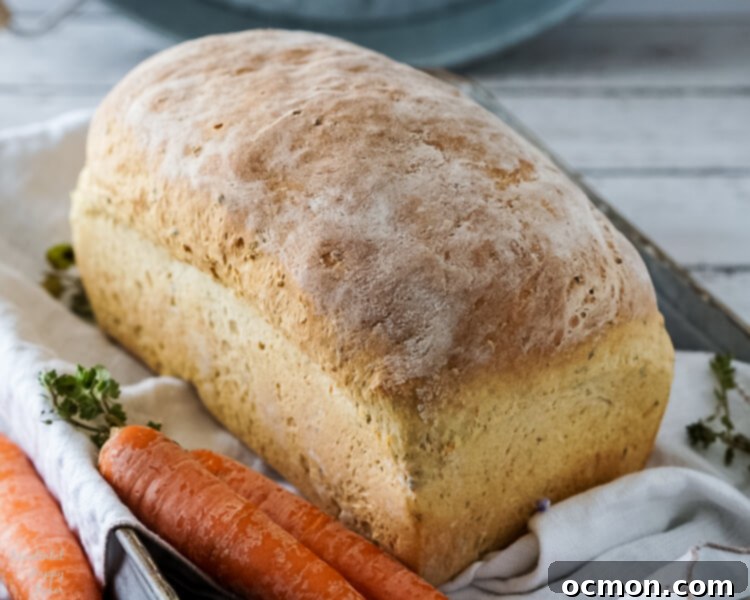
Homemade Savory Carrot and Chive Yeast Bread: A Rustic Recipe for Every Occasion
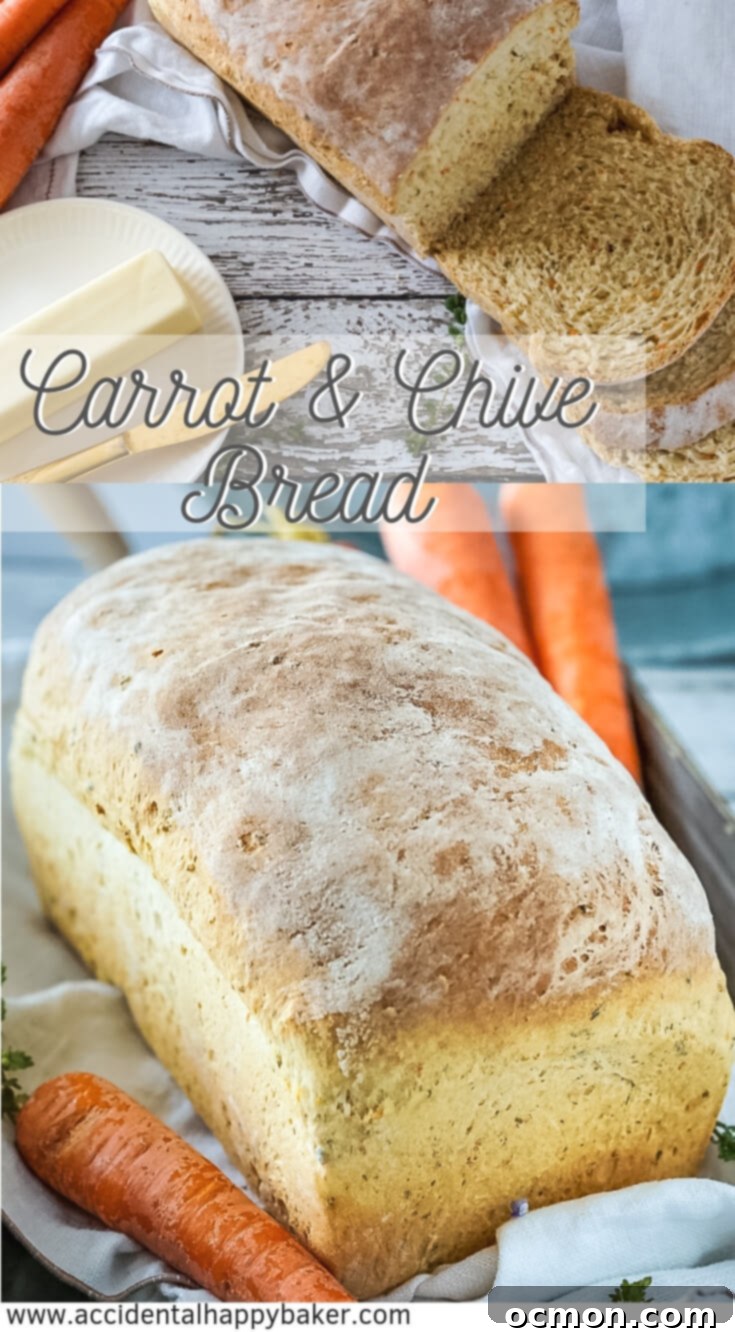
There’s an undeniable magic to the aroma of freshly baked bread filling your home. It evokes a sense of comfort, warmth, and nostalgia that few other scents can match. Today, I am absolutely thrilled to share a recipe that perfectly embodies this feeling: my homemade Carrot and Chive Bread. This isn’t just any loaf; it’s a hearty, rustic creation, beautifully speckled with vibrant orange from the carrots and lively green from the chives. Each slice transports you to a serene summer day spent in a flourishing vegetable garden, a truly wholesome and delightful experience.
The Allure of Savory Carrot Bread with Yeast 
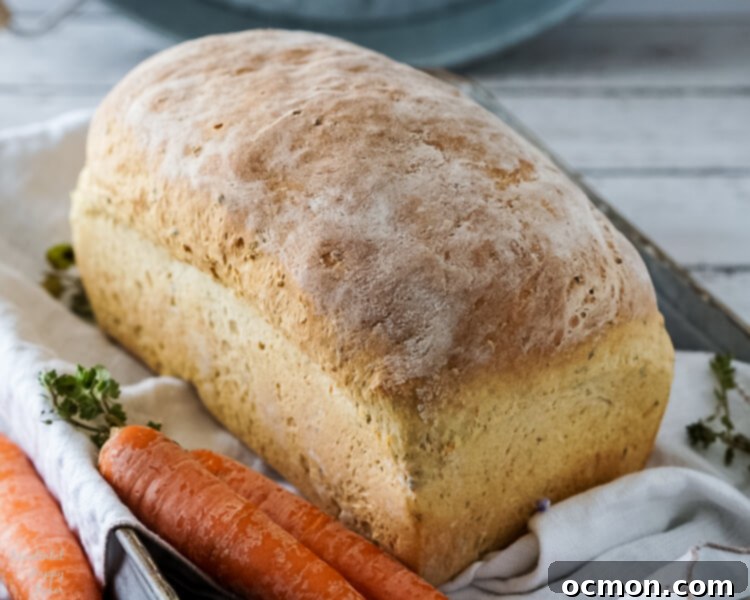
While sweet carrot cakes and muffins are popular, recipes for savory carrot bread, especially those made with yeast, are surprisingly rare. I discovered this firsthand when I searched for a unique bread that combined the sweetness of carrots with a savory, herbaceous twist. Coming up empty-handed only fueled my determination to create something truly special. I envisioned a loaf that was both comforting and distinctive, a bread that could stand alone or complement a wide array of meals. The combination of earthy carrots and pungent chives felt like a natural fit, and indeed, it proved to be an absolute triumph! This bread is incredibly versatile, perfect for serving alongside a robust stew, using for gourmet sandwiches, or, as a simple pleasure, toasted with a generous spread of butter. It transforms ordinary toast into something extraordinary.
Baking bread from scratch can seem intimidating, but with this recipe, it’s a rewarding journey that culminates in a truly impressive loaf. The process itself is therapeutic, from the gentle kneading of the dough to the anticipation as it rises, and finally, the intoxicating aroma that fills your kitchen as it bakes. This savory yeast bread combines simple, wholesome ingredients to create a rich flavor profile that’s subtly sweet from the carrots and wonderfully aromatic from the fresh chives and dill. It’s a fantastic way to incorporate more vegetables into your diet in a fun and delicious form.
Key Ingredients for Your Savory Carrot Bread
Creating this delicious bread starts with a carefully selected blend of ingredients. Each component plays a crucial role in achieving the perfect texture, flavor, and rise.
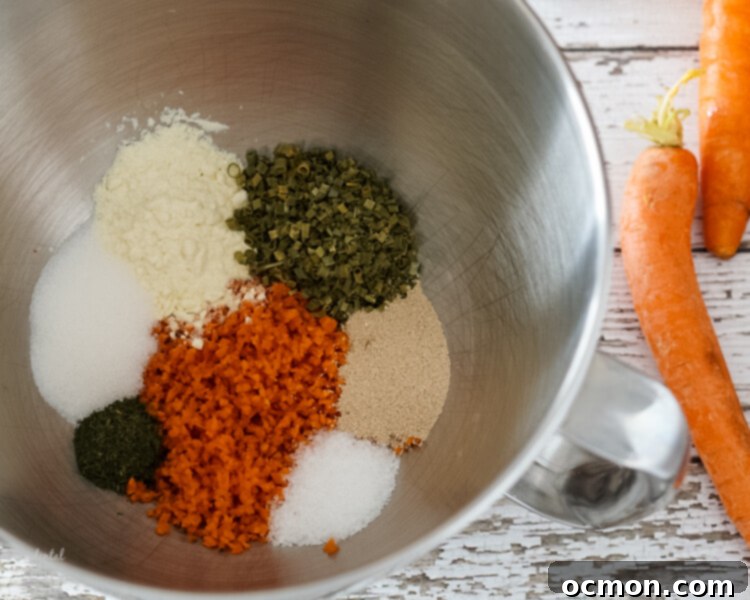
This savory carrot and chive bread recipe begins with fresh, finely shredded carrots. When incorporating carrots into yeast breads, it’s essential to grate them very finely. This ensures they soften beautifully during baking and distribute evenly throughout the dough, preventing large chunks that can disrupt the bread’s structure. If you’re short on time, you can often find pre-shredded “matchstick” carrots at your local grocery store. A quick pulse in a food processor can further refine these into the ideal consistency for baking. Should you find yourself with an abundance of carrots, you might also enjoy exploring other delicious recipes like these Carrot Banana Muffins!
Next, you’ll combine dried buttermilk powder, sugar, salt, dill weed, fresh or dried chives, instant yeast, and melted butter (cooled to room temperature) in your mixing bowl. Each of these ingredients contributes to the unique character of our bread.
- Buttermilk Powder: Adds a subtle tang and helps create a tender crumb. It also extends the shelf life of the bread.
- Sugar: While this is a savory bread, a small amount of sugar is vital for activating the yeast and providing a touch of balance to the savory flavors.
- Salt: Enhances all the flavors and regulates yeast activity, preventing the dough from rising too quickly.
- Dill Weed and Chives: These are the stars of the savory show, imparting a fresh, aromatic, and slightly oniony flavor that pairs perfectly with the sweetness of the carrots.
- Instant Yeast: The leavening agent that gives our bread its wonderful airy texture. Instant yeast can be mixed directly with dry ingredients, making the process straightforward.
- Melted Butter: Contributes richness and tenderness to the dough. Ensure it’s cooled to avoid shocking the yeast.
Crucially, we’ll also be using 1 ¼ cups of warm water, ideally around 105°F (40°C). Maintaining the correct water temperature is paramount when working with yeast, as it directly impacts its activation. For precise temperature control, I highly recommend investing in an instant-read thermometer. This small tool eliminates all the guesswork, making bread baking significantly easier and more consistent. It truly has been a game-changer for my baking, and you can often find them for around $11 on Amazon.
How to Make Carrot and Chive Bread: Step-by-Step Guide
Let’s dive into the baking process, ensuring each step is clear and easy to follow for a perfect loaf every time.
1. Initial Mixing and Hydration:
Begin by combining all the shredded carrots, dried buttermilk powder, chives, sugar, salt, dill weed, instant yeast, and the cooled melted butter in a large mixing bowl. Then, add the warm water (remember that ideal 105°F/40°C) and 1 ½ cups of all-purpose flour. Mix on low speed with your stand mixer, or by hand with a sturdy spoon, for about 2-3 minutes until the flour is fully incorporated. At this stage, the mixture will be quite wet and thick, almost like a very loose batter. This initial mixing helps hydrate the ingredients and begin to activate the yeast.
2. Developing the Dough:
Now, it’s time to build the structure of our bread. Add the remaining 1 ½ cups of bread flour. If you’re using a stand mixer, switch to the dough hook attachment. If you’re mixing by hand, continue stirring vigorously until the dough starts to come together into a shaggy ball. Then, turn the dough out onto a lightly floured surface and begin kneading.
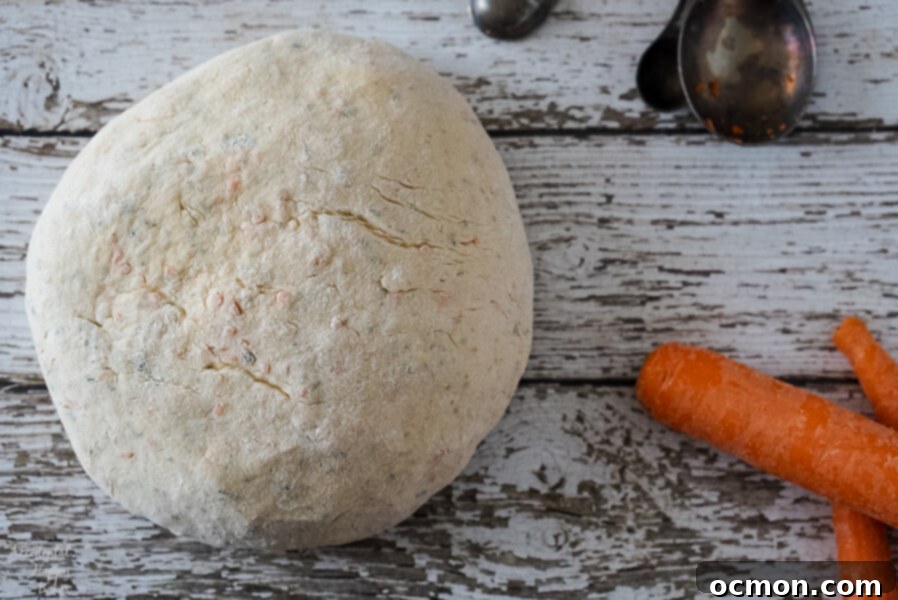
Knead the dough for 5-7 minutes. During this process, you’re developing the gluten, which is crucial for the bread’s structure and chewiness. The dough should gradually transform from sticky and shaggy to smooth, elastic, and slightly tacky to the touch. It should spring back slowly when gently poked. Be mindful of the moisture content of your carrots; if your dough feels overly sticky and difficult to handle, you may need to add up to an additional ¼ cup of flour, one tablespoon at a time, until the desired consistency is achieved. The goal is a dough that is soft and pliable, not stiff.
3. The First Rise (Bulk Fermentation):
Lightly oil a clean bowl. Place your kneaded dough into the bowl, turning it once to ensure it’s lightly coated with oil. This prevents it from drying out and sticking. Cover the bowl tightly with plastic wrap or a clean kitchen towel. Find a warm, draft-free spot in your kitchen – perhaps near a sunny window or in a slightly warm (but not hot) oven (turned off, of course!). Allow the dough to rise for 45 minutes to an hour, or until it has visibly doubled in size. This primary rise is essential for flavor development and creating a light, airy crumb.
4. Shaping and Second Rise (Proofing):
Once the dough has doubled, gently punch it down to release the accumulated gases. Turn it out onto a lightly floured surface and shape it into a neat loaf. The goal is to create a taut surface on the loaf, which helps it rise beautifully in the pan. Place the shaped dough into a standard 8×4-inch or 8.5×4.5-inch loaf pan that has been lightly greased. Cover the pan loosely with a clean tea towel.
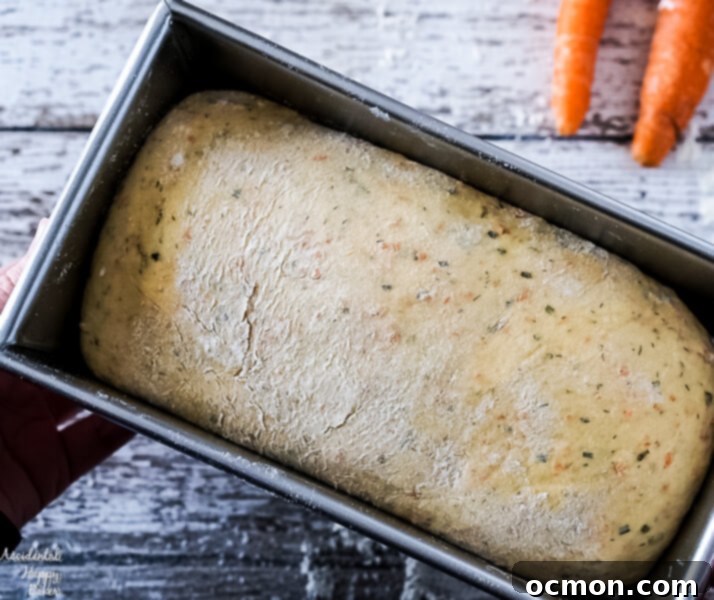
Allow the dough to rise for a second time, for approximately 35-40 minutes, in that same warm, draft-free location. It should rise about ¾ of an inch above the edge of the pan, indicating it’s ready for the oven. This second rise, known as proofing, is crucial for the final texture and volume of your baked bread.
5. Baking to Golden Perfection:
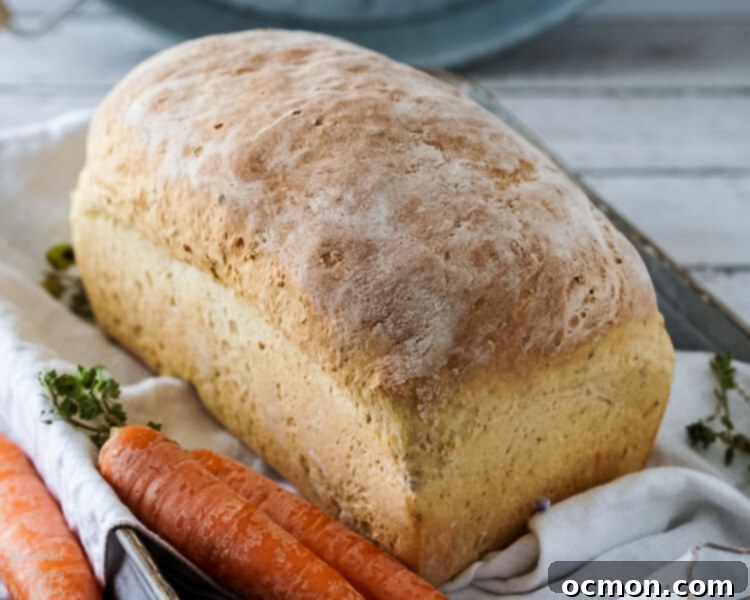
About 20 minutes before your dough has finished its second rise, preheat your oven to 375°F (190°C). This ensures the oven is at the correct temperature when the bread goes in, promoting a good “oven spring.” Place the loaf pan on the center rack of your preheated oven. Bake for 35-40 minutes, or until the crust is golden brown and the internal temperature of the loaf reaches 190°F (88°C). A great way to test for doneness is also to gently thump the bottom of the loaf; it should sound hollow.
6. Cooling and Enjoying:
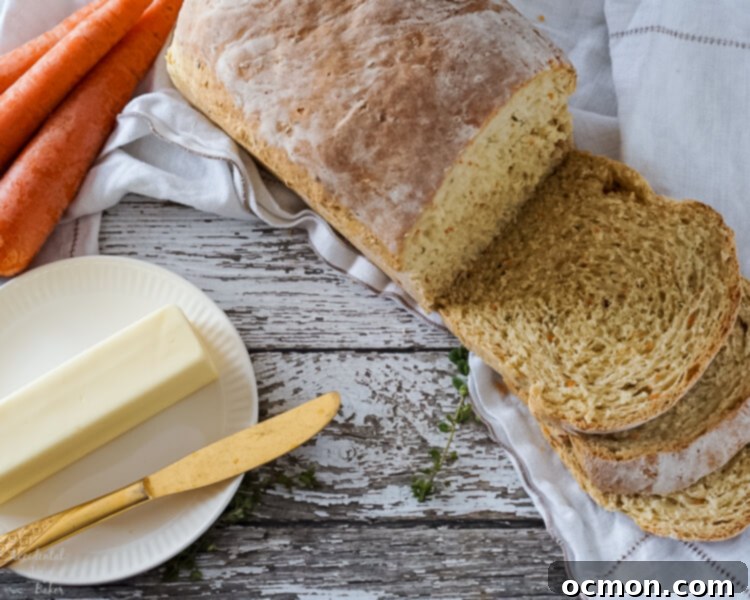
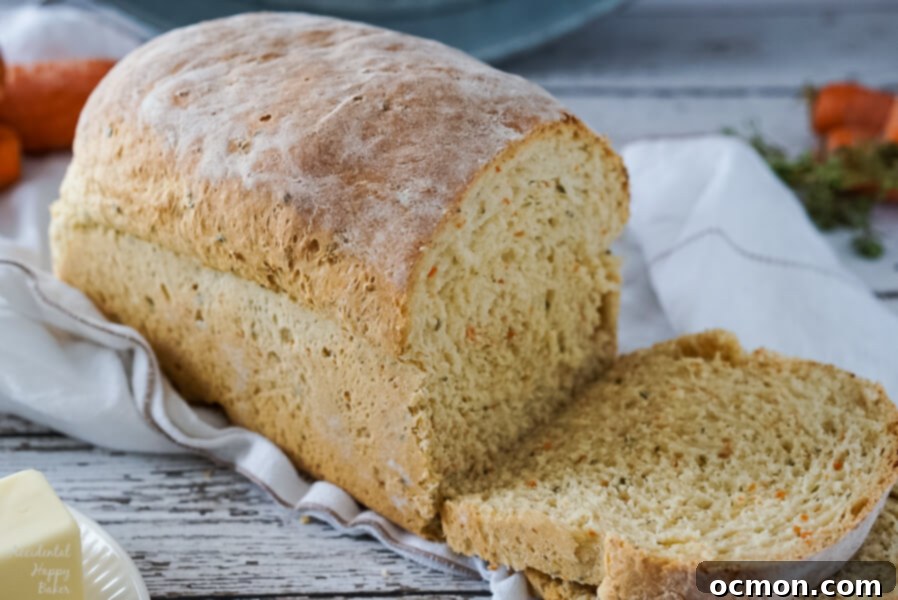
Once baked, immediately remove the bread from the oven and carefully turn it out of the loaf pan onto a wire rack to cool completely. Cooling on a wire rack allows air to circulate around all sides of the loaf, preventing the bottom from becoming soggy. For an extra soft and flavorful crust, you can gently rub the warm crust with a stick of butter immediately after removing it from the oven. Resist the temptation to slice into it too soon; cooling completely is crucial for the internal structure to set properly. Once cool, store the bread in a plastic bag at room temperature to maintain its freshness for several days.
Serving Suggestions and Variations
This versatile carrot and chive bread shines in many culinary applications. Its savory notes make it an excellent accompaniment to a hearty bowl of soup, a flavorful stew, or a fresh garden salad. It also makes for incredible sandwiches, whether piled high with your favorite deli meats and cheeses or simply spread with cream cheese and extra chives. For a simple yet satisfying snack, a slice of this bread toasted and slathered with butter or a dollop of hummus is pure delight.
Feel free to experiment with variations to customize this recipe to your taste. You could add a handful of grated Parmesan or cheddar cheese to the dough for an extra layer of savory richness. A pinch of garlic powder or onion powder would further enhance the aromatic profile. For a textural contrast, consider incorporating a few tablespoons of sunflower seeds or chopped walnuts. This bread is also freezer-friendly; wrap cooled slices or the entire loaf tightly in plastic wrap and then foil, and freeze for up to 3 months. Thaw at room temperature or gently warm in the oven for that “freshly baked” experience.
If you love baking bread, then you might also enjoy these homemade bread recipes:
-
Downeast Maine Pumpkin Bread
-
Sunflower Bread
-
Garlic Cheese Focaccia Bread
-
Easy Hawaiian Rolls
Carrot and Chive Bread
Print
Rate
SaveSaved!
Ingredients
- 1/2 cup shredded carrots (finely grated)
- 2 Tablespoons dried buttermilk powder
- 2 Tablespoons chives (fresh or dried)
- 1 Tablespoon sugar
- 1 1/2 teaspoons salt
- 1/2 teaspoon dillweed
- 1 package instant yeast (about 2 1/4 teaspoons)
- 2 Tablespoons melted butter (cooled to room temp)
- 1 1/4 cup warm water (about 105 degrees F / 40 degrees C)
- 1 1/2 cups all purpose flour
- 1 1/2 cups bread flour (plus up to 1/4 cup extra, if needed)
Instructions
-
In a large mixing bowl, add the finely shredded carrots, dried buttermilk powder, chives, sugar, salt, dillweed, instant yeast, and the cooled melted butter. Pour in the warm water (approximately 105°F / 40°C) and then add the 1 ½ cups of all-purpose flour. Mix on low speed with an electric mixer for 2-3 minutes until all the flour is combined and the mixture is wet and thick.
-
If you are using a stand mixer, switch to the dough hook attachment. If you are mixing by hand, incorporate the remaining 1 ½ cups of bread flour by stirring vigorously. Continue to knead the dough for 5-7 minutes (with a stand mixer or by hand) until it becomes smooth, elastic, and slightly tacky. The dough should spring back slowly when poked. Depending on the moisture content of your carrots, you may need to add up to an additional ¼ cup of flour, adding a tablespoon at a time, until the dough reaches the desired smooth, elastic consistency without being overly sticky.
-
Lightly oil a clean bowl. Place the kneaded dough into the bowl, turning it once to coat lightly with oil. Cover the bowl securely with plastic wrap or a clean kitchen towel. Place the bowl in a warm, draft-free area of your kitchen and allow the dough to rise for 35-40 minutes, or until it has clearly doubled in size.
-
Once the dough has doubled, gently punch it down to release any trapped air bubbles. Turn the dough out onto a lightly floured surface and gently shape it into a uniform loaf. Transfer the shaped dough into a standard 8.5 x 4.5 inch bread loaf pan that has been lightly greased. Cover the loaf pan loosely with a tea towel and place it back in a warm, draft-free area for its second rise, which will take approximately another 35-40 minutes. The dough should rise about ¾ of an inch above the pan’s edge.
-
About 20 minutes before the end of the second rising time, preheat your oven to 375°F (190°C). When the dough has completed its rise, carefully place the loaf pan on the center rack of the preheated oven. Bake for 35-40 minutes, or until the top of the loaf is beautifully golden brown. To confirm doneness, the loaf should sound hollow when gently thumped on the bottom, and an instant-read thermometer inserted into the center should register an internal temperature of 190°F (88°C).
-
Once baked, immediately remove the bread from the oven and turn it out of the pan onto a wire rack to cool completely. If desired, for a softer, more flavorful crust, gently rub the top crust with a stick of butter while it’s still warm. Allow the bread to cool entirely before slicing to ensure the internal structure sets properly. Store any leftover bread in a plastic bag or airtight container at room temperature for up to 3-4 days.
Nutrition
Pin it for later!
Did you make this recipe?
Please leave a comment or review below! I’d also love to see what you’ve been making on Instagramor Facebook.
Accidental Happy Baker is a participant in the Amazon Services LLC Associates Program, an affiliate advertising program. As an Amazon Associate I earn from qualifying purchases at amazon.com.