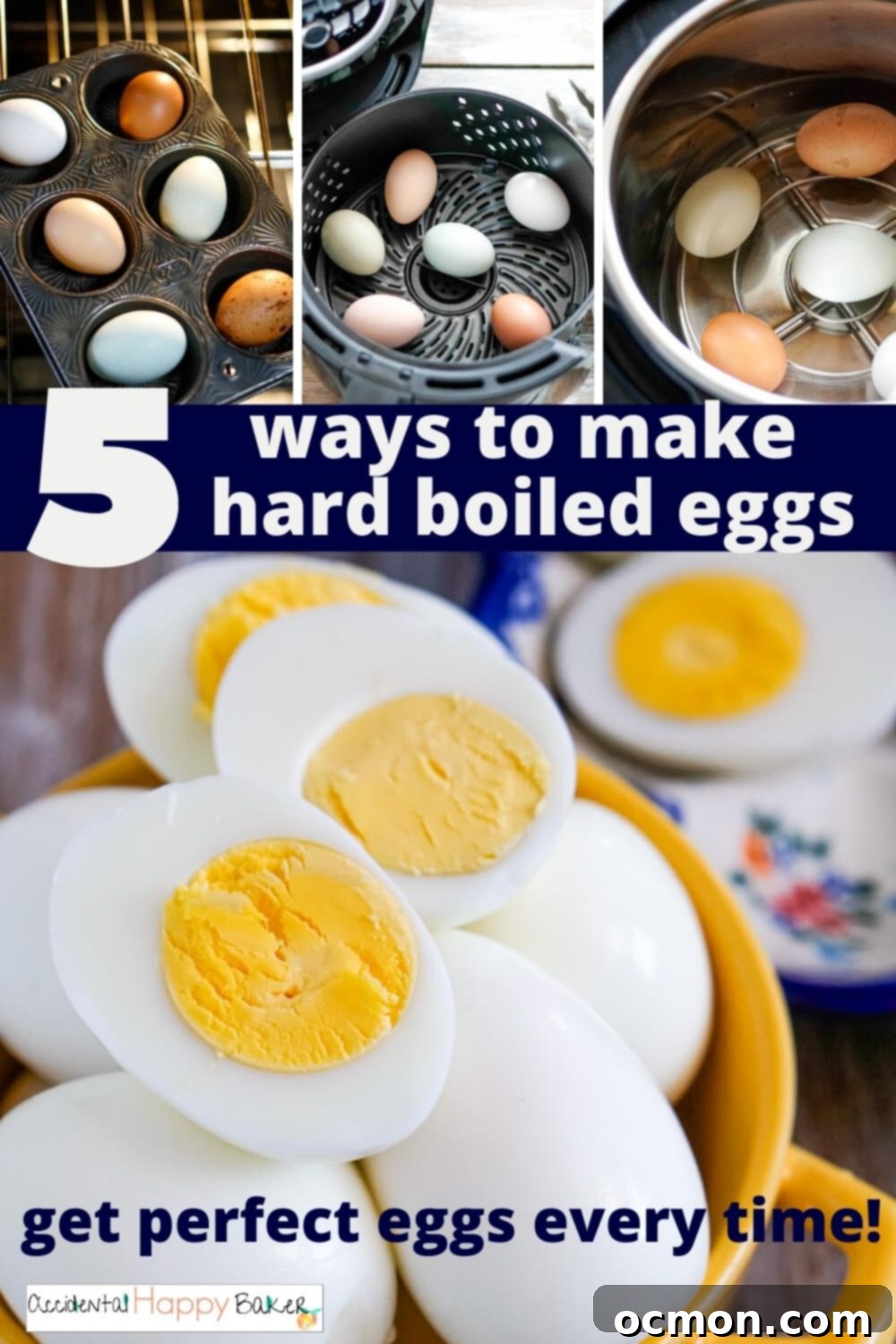
The Ultimate Guide to Perfect Hard-Boiled Eggs: 5 Easy Peel Methods
Hard-boiled eggs might seem like one of the simplest culinary tasks, requiring just eggs and water. Yet, achieving that elusive “perfect” hard-boiled egg – with a creamy, vibrant yolk and a shell that peels away effortlessly – can be surprisingly challenging. Everyone, from seasoned chefs to home cooks, often has their own unique tips and tricks for mastering this kitchen staple. It’s a skill that transforms a basic ingredient into a versatile base for countless dishes.
Today, we’re diving deep into the world of hard-boiled eggs. Forget the frustration of stuck shells or rubbery whites! I’m going to walk you through 5 distinct methods to prepare perfect, easy-to-peel hard-boiled eggs using various common kitchen appliances. Whether you prefer the classic stovetop approach or want to leverage modern gadgets like your Instant Pot or Air Fryer, you’ll discover a reliable technique that fits your kitchen and lifestyle. Get ready to elevate your egg game and enjoy consistently flawless results every single time!
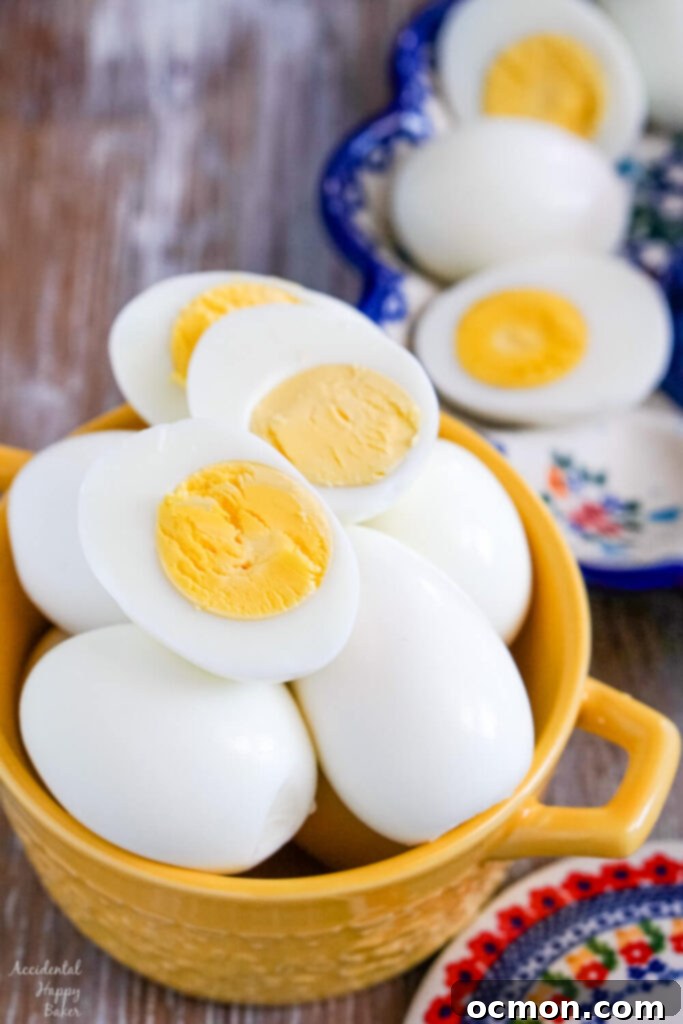
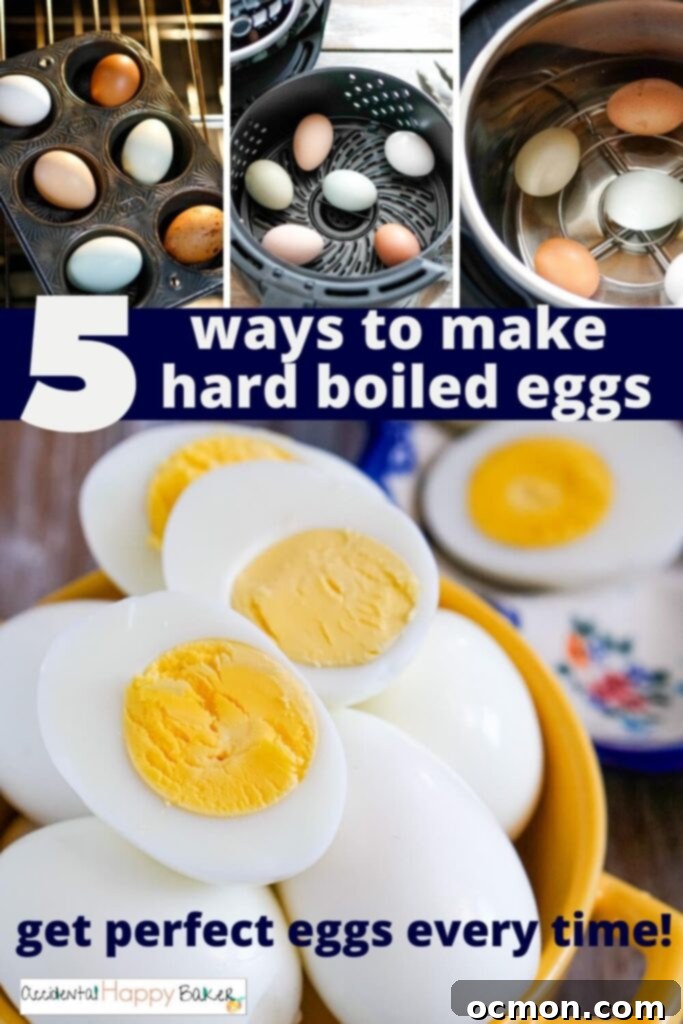
This comprehensive guide will cover how to hard boil eggs using 5 different techniques: the traditional method on the stovetop, baking them in the oven, pressure cooking them in the Instant Pot, air frying, and even cooking hard-boiled eggs in the slow cooker. Once you master these methods, you’ll unlock a world of culinary possibilities, making all kinds of yummy recipes with hard-boiled eggs a breeze to prepare. From quick snacks to elaborate salads, your perfectly cooked eggs will be a foundation for deliciousness.
Delicious Recipes Featuring Hard-Boiled Eggs:
Hard-boiled eggs are incredibly versatile and can be the star of many dishes. Here are a few of my favorite recipes that utilize hard-boiled eggs, showcasing just how much you can do with them:
- BLT Deviled Eggs: A classic appetizer with a savory, crunchy twist.
- Homestyle Egg Salad: Perfect for sandwiches, wraps, or as a creamy dip.
- Jalapeno Popper Deviled Eggs: For those who love a little heat and a burst of flavor.
- Old Fashioned Kidney Bean Salad: A hearty and satisfying salad elevated by the addition of eggs.
- Spicy Deviled Eggs: Kick up your deviled egg game with a zesty, fiery flair.
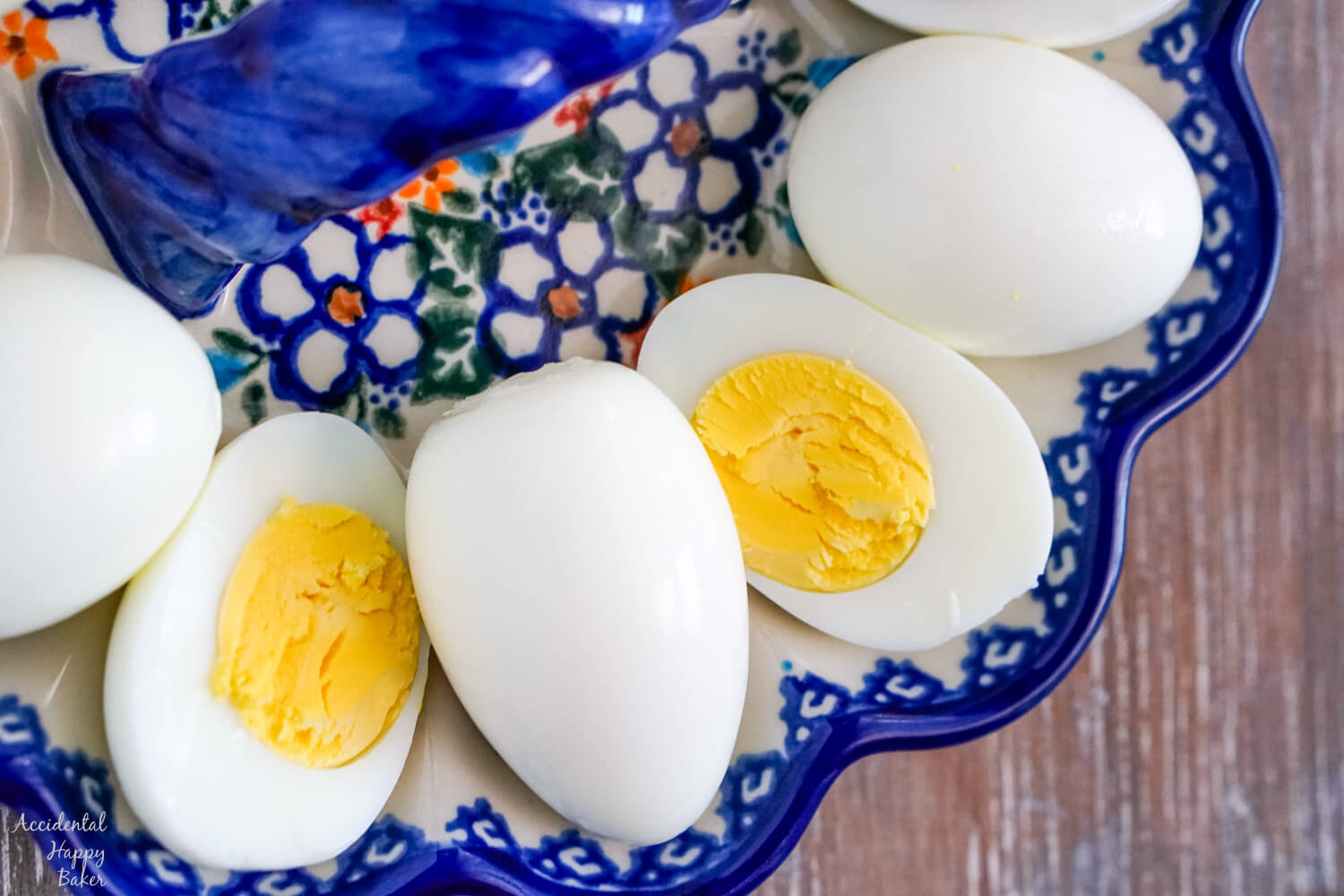
HOW TO COOK HARD BOILED EGGS (5 METHODS FOR PERFECT HARD BOILED EGGS EVERY TIME)
Click to Play
Quick Navigation: Jump to Your Preferred Method
Use the links below to quickly navigate to the detailed instructions for each hard-boiled egg cooking method:
- Stovetop (Traditional Method)
- Oven Baked
- Instant Pot
- Air Fryer
- Slow Cooker
- Troubleshooting Common Hard-Boiled Egg Problems
*This post contains affiliate links. I may earn a small commission from any purchases made through these links, at no extra cost to you. Your support helps keep this content free!*
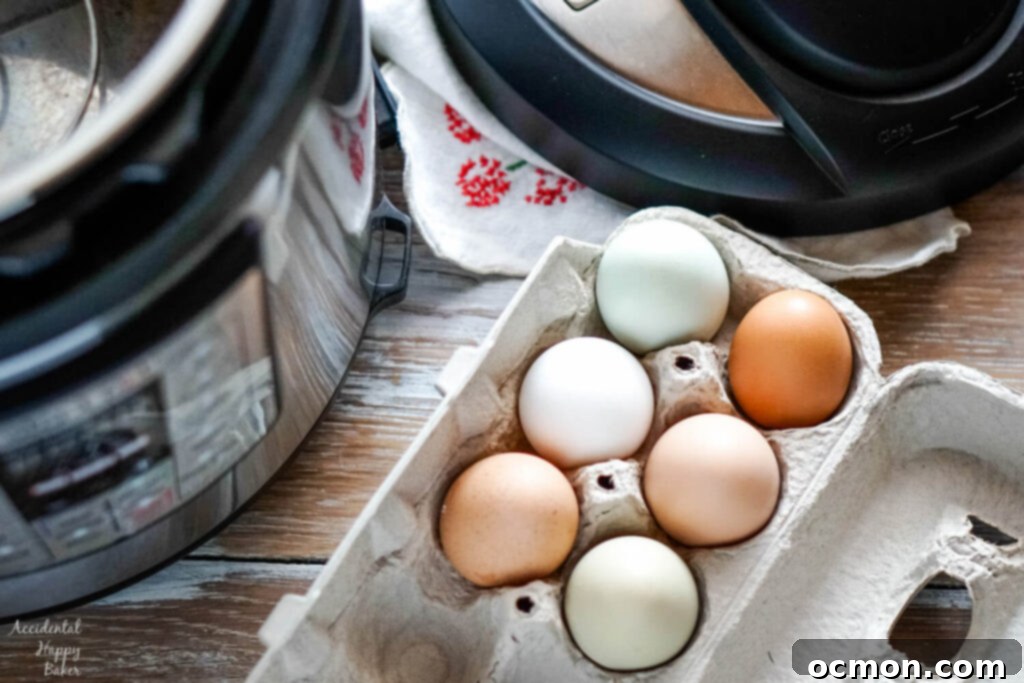
How to Make Perfect Hard-Boiled Eggs on the Stovetop (The Traditional Method)
The stovetop method is a timeless classic, familiar to many, and a great starting point for perfect hard-boiled eggs. Achieving ideal results often hinges on precise timing and temperature management, ensuring the eggs are cooked through without becoming rubbery or developing a green ring around the yolk.
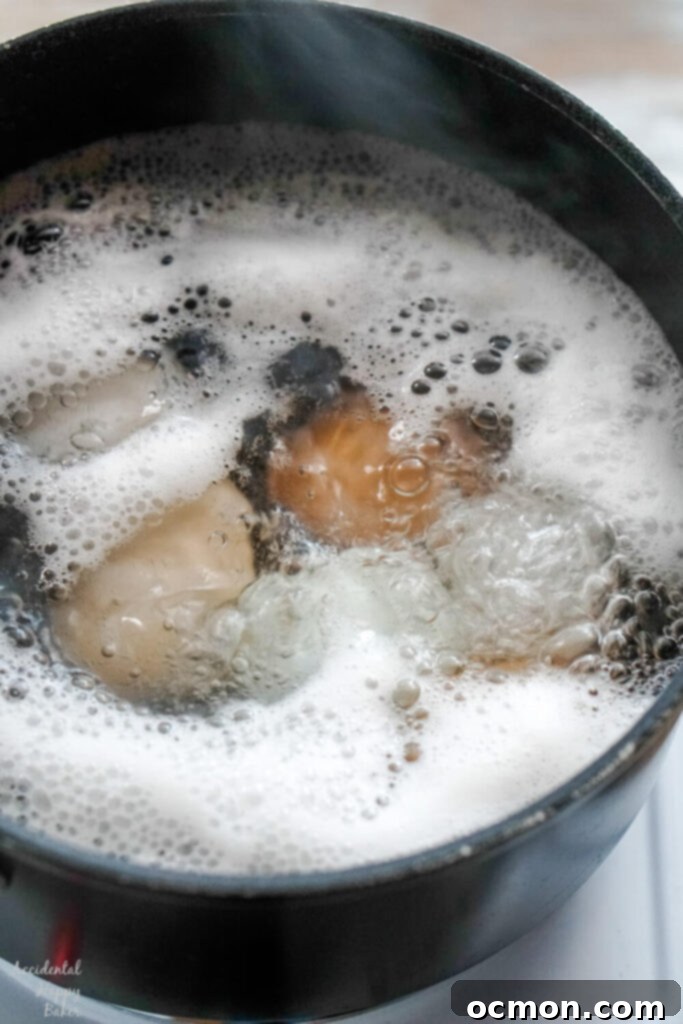
- Prepare the Eggs: Carefully place your eggs in a single layer at the bottom of a saucepan. Using older eggs (about 7-10 days old) often yields easier peeling.
- Cover with Water: Add cold water to the saucepan, ensuring the eggs are covered by at least an inch of water. This allows for even cooking.
- Bring to a Boil: Place the saucepan on the stovetop over high heat and bring the water to a full, rolling boil. Watch closely, as timing is crucial from this point.
- Rest and Cook: As soon as the water reaches a vigorous boil, immediately remove the saucepan from the heat. Place a tight-fitting lid on the pan to trap the heat. Let the eggs sit in the hot water, undisturbed, for approximately 10-12 minutes for perfectly firm yolks. For softer yolks, reduce the time slightly; for very firm, increase by a minute or two.
- Ice Bath: Once the resting time is complete, promptly remove the eggs from the hot water using a slotted spoon. Transfer them directly into a large bowl filled with ice water (an “ice bath”). This stops the cooking process immediately, preventing overcooking and making them easier to peel. Let them cool in the ice bath for at least 5-10 minutes.
- Store: Once cool to the touch, refrigerate the unpeeled hard-boiled eggs until you’re ready to use or peel them.
Pros and Cons of Cooking Hard-Boiled Eggs on the Stovetop
Pros:
- Simplicity and Accessibility: This method is straightforward and doesn’t require any special equipment beyond a pot and a stovetop, making it accessible to virtually everyone.
- Quick Initial Setup: Bringing water to a boil is relatively fast, allowing you to start the cooking process without much delay.
- Traditional and Reliable: It’s a time-tested method that, with practice, consistently delivers excellent results.
Cons:
- Easy to Overcook: If you forget about your eggs or leave them on the heat too long, they can easily overcook, leading to rubbery whites and green/gray yolks.
- Can Occupy Stovetop Space: If you’re preparing a large meal, dedicating a burner to eggs might be inconvenient.
- Potential for Cracking: Rapid temperature changes or eggs directly hitting the pot can sometimes lead to cracked shells.
How to Make Hard-Boiled Eggs in the Oven (Hands-Off Batch Cooking)
Baking hard-boiled eggs in the oven is a less conventional but highly effective method, particularly useful when you need to prepare a large batch without constantly monitoring them. This “dry heat” method can yield surprisingly consistent results, often with easier peeling.
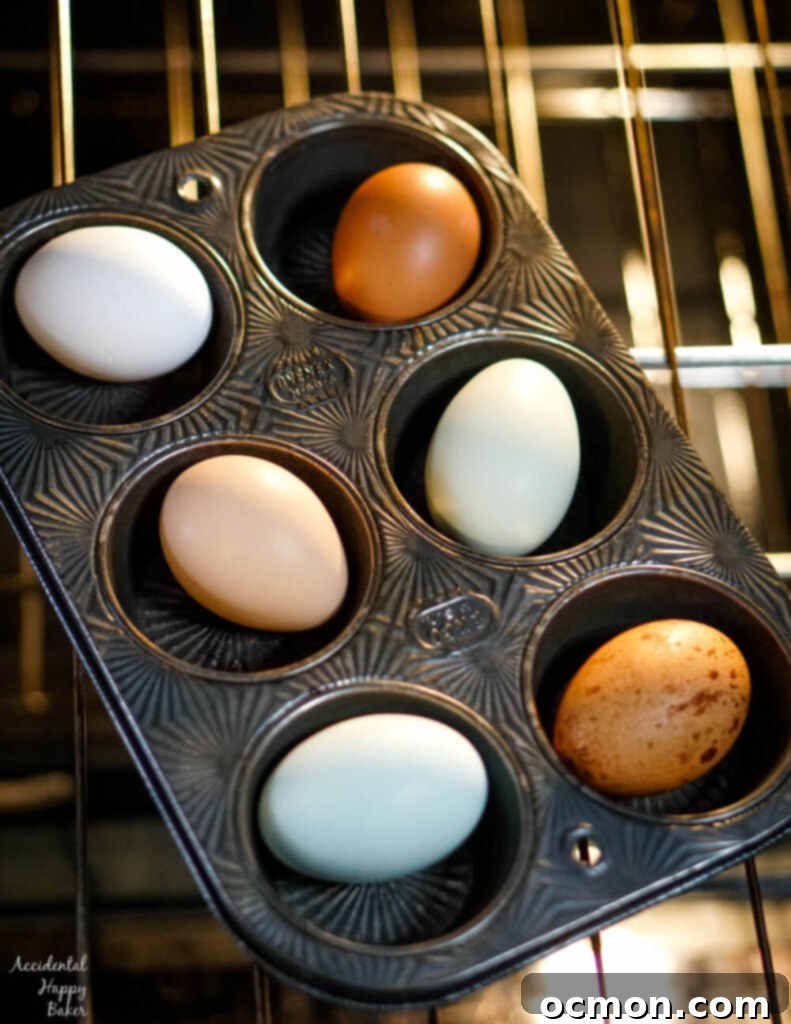
- Preheat Oven: Preheat your oven to 325 degrees Fahrenheit (160 degrees Celsius). A consistent oven temperature is key for even cooking.
- Prepare Eggs: Place each egg into a cup of a muffin tin. The muffin tin helps to keep the eggs from rolling around and ensures even exposure to heat. For extra stability or to prevent rattling, you may choose to place a small piece of crumpled aluminum foil in the bottom of each cup.
- Bake: Carefully place the muffin tin with the eggs into the preheated oven. Bake for approximately 28-30 minutes. Cooking time can vary slightly depending on your oven and desired doneness. For slightly softer yolks, reduce by a few minutes; for very firm, add a minute or two.
- Ice Bath: Once baked, immediately remove the eggs from the muffin tin (they will be hot!) and transfer them to an ice bath. This crucial step halts the cooking process, prevents green rings, and contributes to easier peeling. Allow them to cool completely in the ice bath for 10-15 minutes.
- Store: Once cool, refrigerate your unpeeled hard-boiled eggs until ready to use.
Pros and Cons of Cooking Hard-Boiled Eggs in the Oven
Pros:
- Super Simple and Hands-Off: Once the eggs are in the oven, you don’t need to monitor them. This makes it ideal for multitasking in the kitchen.
- Great for Large Batches: You can cook a dozen or more eggs simultaneously using multiple muffin tins, making it perfect for meal prep or gatherings.
- Reduced Breakage: Eggs placed in a muffin tin are less likely to crack compared to jostling in boiling water.
- No Special Equipment (Beyond Muffin Tin): Most kitchens already have a muffin tin, making this method accessible.
Cons:
- Longer Cook Time: This method generally takes longer than the traditional stovetop or Instant Pot methods, especially factoring in oven preheating.
- Potential for Brown Spots: If your oven runs hot or the eggs make direct contact with a very hot muffin tin, they might develop small brown spots on the shell or whites. These are harmless but can affect aesthetics.
- Energy Consumption: Heating a whole oven for a small batch of eggs might not be the most energy-efficient option.
How to Make Hard-Boiled Eggs in the Instant Pot (The Easiest Peel Method)
The Instant Pot has revolutionized many cooking processes, and hard-boiled eggs are no exception. This method is often hailed as the best for achieving consistently perfect, easy-to-peel eggs, often attributed to the steam environment and quick pressure changes. It’s often referred to as the “5-5-5” method by many users.
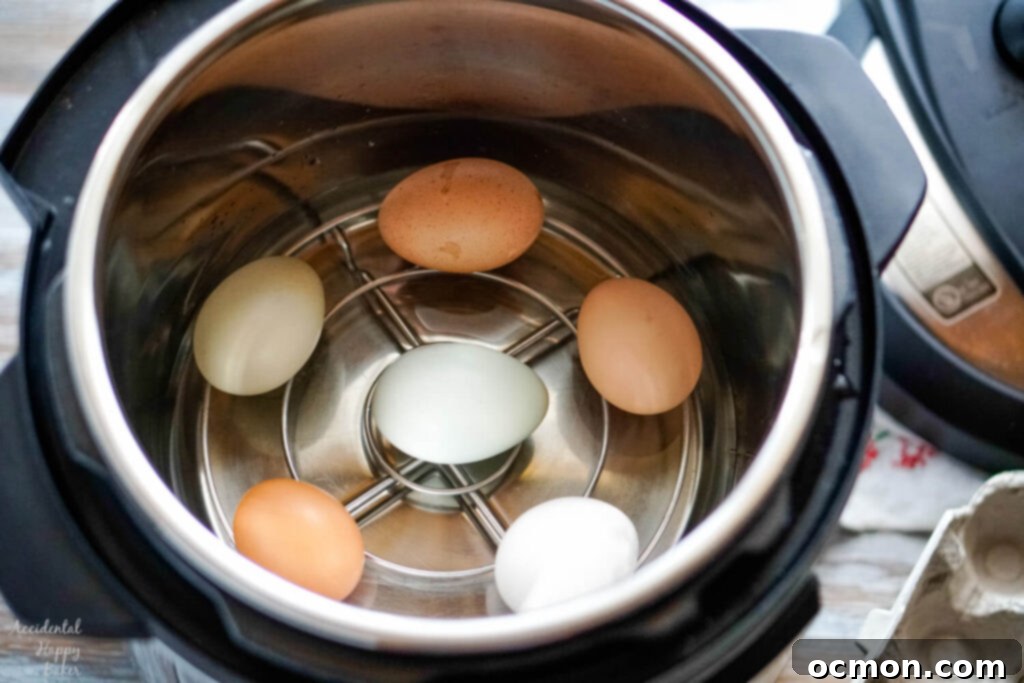
- Setup the Instant Pot: Place the trivet or a rack in the bottom of your Instant Pot. This keeps the eggs elevated above the water.
- Add Eggs and Water: Carefully arrange the eggs on the rack in a single layer if possible, or stack them if making a large batch. Pour one cup of cold water into the bottom of the Instant Pot. This water creates the steam needed for cooking.
- Pressure Cook: Secure the lid, making sure the vent is set to “Sealing.” Select the “Manual” or “Pressure Cook” setting and set the cooking time for 5 minutes on High Pressure.
- Natural Release & Quick Release: Once the 5-minute cooking cycle is complete, allow the Instant Pot to naturally release pressure for 5 minutes (NPR). This helps prevent cracking and ensures thorough cooking. After 5 minutes of NPR, carefully switch the vent to “Venting” to quick release any remaining steam.
- Ice Bath: Immediately remove the eggs from the Instant Pot and plunge them into an ice bath for 5-10 minutes until they are cool to the touch. This step is critical for easy peeling and preventing the dreaded green ring.
- Store: Refrigerate the unpeeled hard-boiled eggs until ready to use.
Pros and Cons of Cooking Hard-Boiled Eggs in the Instant Pot
Pros:
- Easiest to Peel: This is often cited as the number one reason to use an Instant Pot for eggs. The shells literally fall off, even with fresh eggs, thanks to the pressurized steam.
- Quick and Stress-Free: The active cooking time is short, and the process is largely hands-off once it starts.
- Consistent Results: The controlled pressure environment leads to very consistent cooking results.
Cons:
- Requires Special Equipment: You need an Instant Pot or similar electric pressure cooker, which not everyone owns.
- Easy to Overcook: While forgiving with peeling, precise timing is still important. Even a minute too long in pressure or natural release can lead to slightly overcooked yolks.
- Potential for Cracking: While less common than stovetop boiling, eggs can still crack under pressure, especially if they are very cold or have hairline fractures.
- Takes Up Space: Getting out and cleaning a larger appliance for a simple task like hard-boiling eggs might feel cumbersome for small batches.
How to Make Hard-Boiled Eggs in the Air Fryer (No Water Needed!)
Using an air fryer for hard-boiled eggs is an innovative and incredibly simple method that requires no water at all! It’s essentially like a mini-oven, using circulating hot air to cook the eggs to perfection. This technique results in a beautifully cooked egg that’s easy to peel, and it’s particularly convenient for smaller batches.
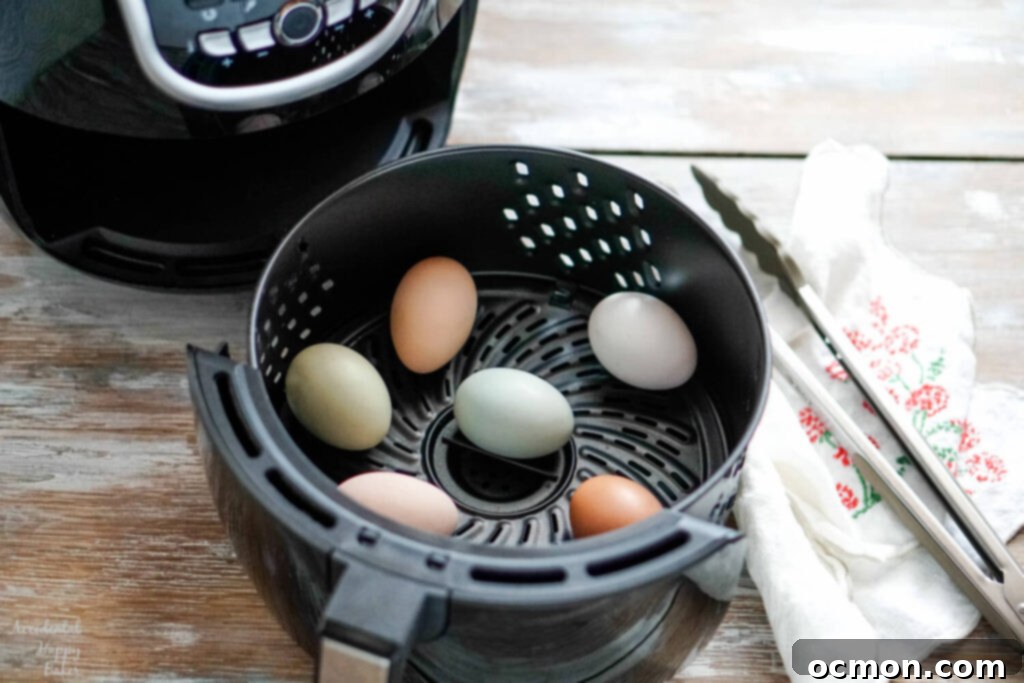
- Prepare the Air Fryer: Place the eggs in the Air Fryer basket in a single layer. If your air fryer came with a rack, you can use it to elevate the eggs for more even air circulation, though it’s not strictly necessary. Ensure they are not touching for optimal cooking.
- Set Temperature and Time: Set your Air Fryer temperature to 250 degrees Fahrenheit (120 degrees Celsius). Set the timer for 16 minutes for firm hard-boiled eggs. If you prefer a slightly softer yolk, reduce the time to 14 minutes; for extra firm, increase to 18 minutes.
- Ice Bath: Once the timer goes off, carefully remove the hot eggs from the air fryer basket. Immediately transfer them to an ice bath and let them cool completely for 10-15 minutes. This stops the cooking and makes peeling significantly easier.
- Store: Refrigerate the cooled, unpeeled hard-boiled eggs.
Pros and Cons of Cooking Hard-Boiled Eggs in the Air Fryer
Pros:
- Quick and Simple: The process is very straightforward, with minimal setup and cleanup.
- No Water Needed: This is a major advantage for those who want to avoid boiling water. No messy pots, just a quick wipe of the air fryer basket.
- Easy Cleanup: Since no water is involved, the air fryer basket is typically very easy to clean afterward.
- Great for Small Batches: Perfect if you only need a few eggs at a time.
Cons:
- Limited Batch Size: Most air fryers can only accommodate a small number of eggs in a single layer, making it less efficient for large batches.
- Varying Results: Air fryer wattages and designs differ significantly. What works perfectly in one air fryer might require slight time/temperature adjustments in another. Experimentation might be needed to find your ideal settings.
- Some Potential for Cracking: Similar to oven baking, the dry heat can sometimes cause very thin-shelled eggs to crack.
How to Make Hard-Boiled Eggs in the Slow Cooker (The Longest, But Least Fussy Method)
For the most hands-off, “set it and forget it” approach to hard-boiled eggs, the slow cooker is surprisingly effective. While it takes the longest amount of time, it requires virtually no attention and is excellent for cooking a large quantity of eggs with almost no risk of cracking. It’s perfect for when you have other things to do and can let your eggs simmer away gently.
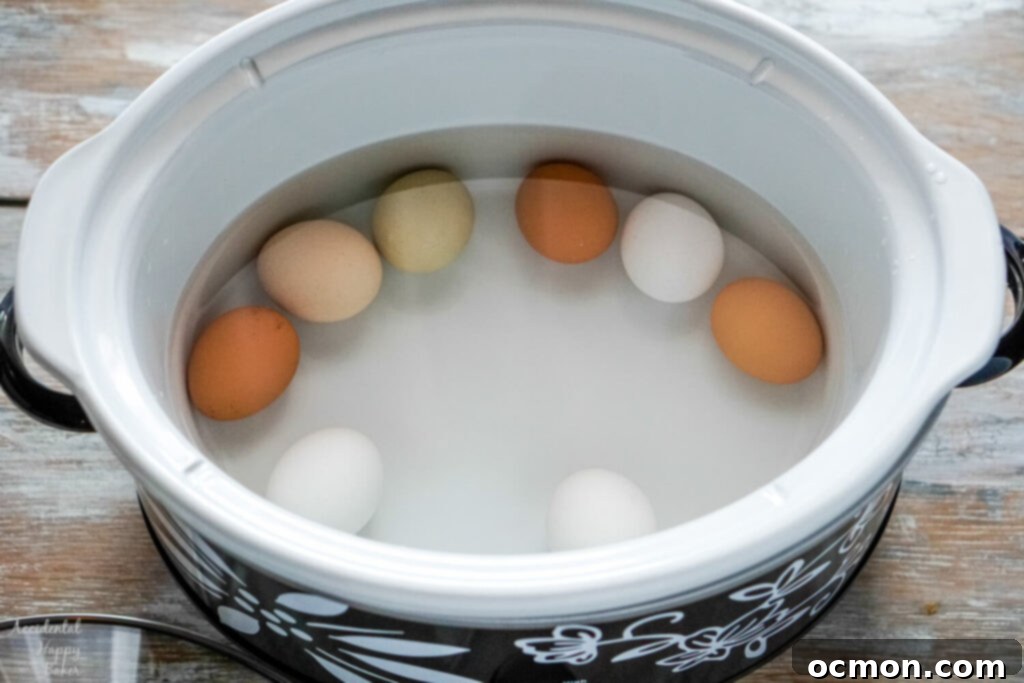
- Arrange Eggs: Carefully place the eggs in a single layer at the bottom of your slow cooker. You can stack them if necessary for larger batches, but a single layer generally allows for more even cooking.
- Cover with Water: Pour enough cold water into the slow cooker to completely cover all the eggs.
- Cook on High: Put the lid on your slow cooker and set it to “High.” Cook for approximately 2 ½ hours. The gentle, consistent heat of the slow cooker ensures the eggs cook slowly and evenly.
- Ice Bath: After 2 ½ hours, use a slotted spoon to remove the eggs from the slow cooker. Immediately transfer them to a waiting ice bath. Allow them to cool completely in the ice bath for at least 10-15 minutes. This step is crucial for stopping the cooking process and ensuring easy peeling.
- Store: Once fully cooled, refrigerate the unpeeled hard-boiled eggs until you are ready to use them.
Pros and Cons of Making Hard-Boiled Eggs in the Slow Cooker
Pros:
- Super Simple and Hands-Off: Truly a “set it and forget it” method. Once the eggs are in, you don’t need to do anything else until they are done.
- Can Make Larger Batches: Slow cookers are typically spacious, allowing you to cook a significant number of eggs at once.
- Almost Never Crack: The very gentle heating process minimizes the risk of shells cracking, resulting in beautifully intact eggs.
- Consistent Temperature: The slow cooker maintains a consistent, low temperature, which helps prevent overcooking and rubbery textures.
Cons:
- Longest Cook Time: This method takes considerably longer than any other, making it unsuitable if you need hard-boiled eggs quickly.
- Requires Special Equipment: You need a slow cooker, which isn’t a standard kitchen item for everyone.
- Uses Counter Space: Like the Instant Pot, it occupies valuable counter space for an extended period.
Troubleshooting: What Went Wrong With Your Hard-Boiled Eggs?
Even with the best instructions, hard-boiled eggs can sometimes present challenges. Here are answers to common questions and solutions for typical problems you might encounter:
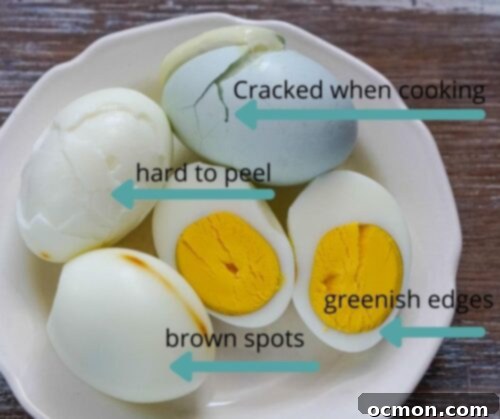
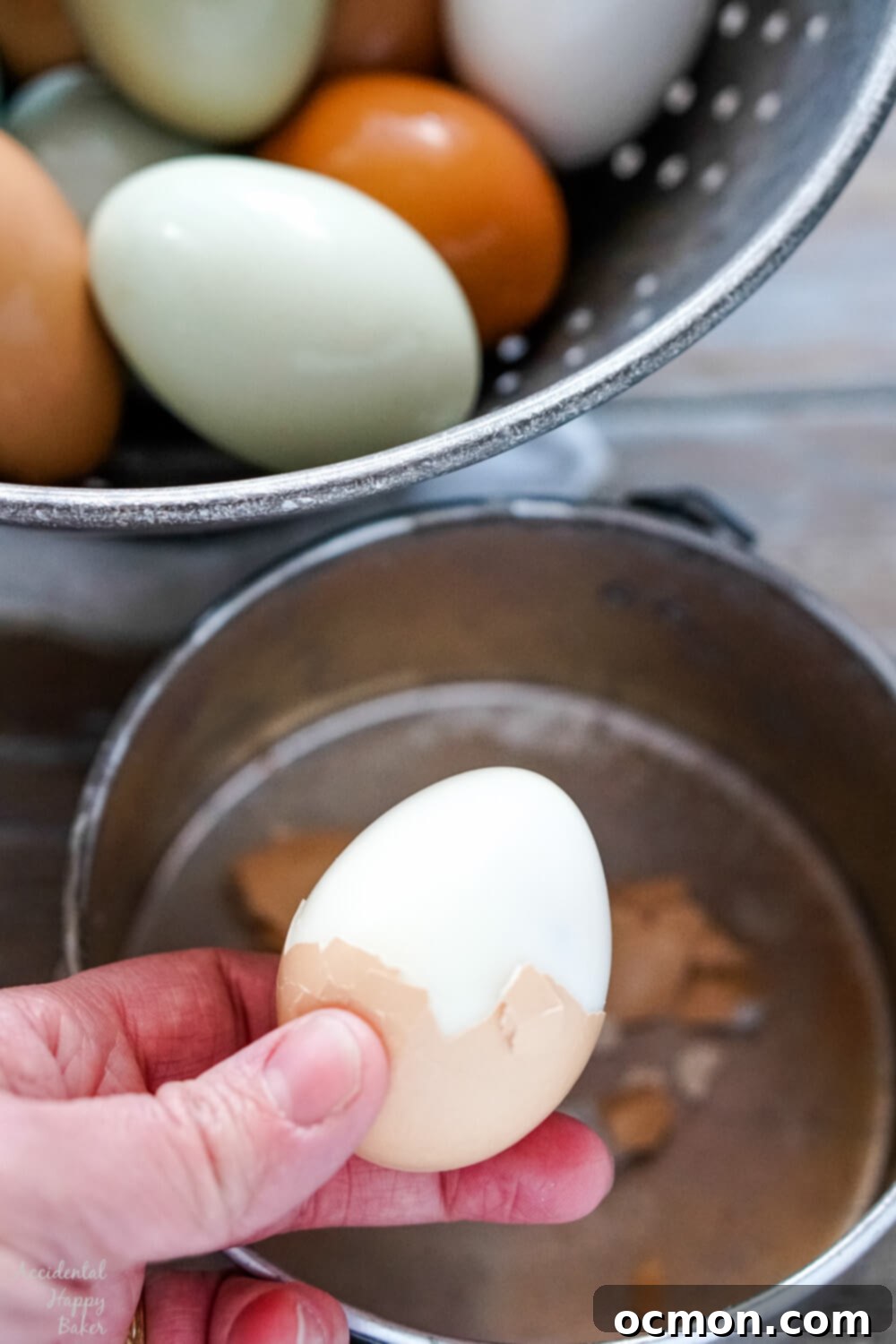
This is one of the most frustrating hard-boiled egg problems! Here are a few solutions:
- Use Older Eggs: Fresher eggs (straight from the chicken) tend to be harder to peel because their inner membrane sticks more stubbornly to the shell. Eggs that are about 7-10 days old are ideal as their pH changes and the membrane separates more easily.
- Try the Instant Pot Method: As highlighted, the Instant Pot method is renowned for producing the easiest-to-peel hard-boiled eggs. The high-pressure steam helps to create a gap between the egg white and the shell membrane.
- Immediate Ice Bath: Plunging eggs into an ice bath immediately after cooking is crucial. This rapid cooling causes the egg to contract, further separating it from the shell.
- Crack and Soak: After the ice bath, gently crack the shells all around the egg, making sure you break the inner membrane without removing the shell entirely. Then, let them soak in cold water (or the ice bath) for another hour or two. The water seeps under the membrane, making it much easier to slide off.
A green or gray ring around the yolk is a clear sign of overcooked eggs. This happens when the sulfur in the egg white reacts with the iron in the yolk, forming ferrous sulfide, which has that greenish hue. While not visually appealing, these eggs are still perfectly safe and good to eat! If you’re bothered by the color, simply mash them up for egg salad or deviled eggs – no one will be any the wiser!
Brown spots, typically seen with oven or air fryer methods, indicate that those parts of the egg cooked hotter and faster than the rest. This often occurs when eggs are in direct contact with a hot cooking surface. To prevent this, try cooking your eggs on a rack (like a trivet in an Instant Pot or the rack in an air fryer) or use a small nest of crumpled aluminum foil in muffin tins to hold them slightly elevated from the direct heat of the pan.
Eggs naturally contain small air bubbles inside. As the egg heats up, these air bubbles expand, creating pressure against the shell, which can cause it to crack, especially if the shell is thin or already compromised. To minimize cracking:
- Start with Room Temperature Eggs: Bringing eggs to room temperature before cooking reduces the thermal shock when they hit hot water or an already hot environment.
- Use Lukewarm Water (Stovetop): For stovetop cooking, starting with lukewarm water instead of cold water can also help temper the temperature change.
- Avoid Overcrowding: Give your eggs space in the pot or appliance to prevent them from bumping into each other.
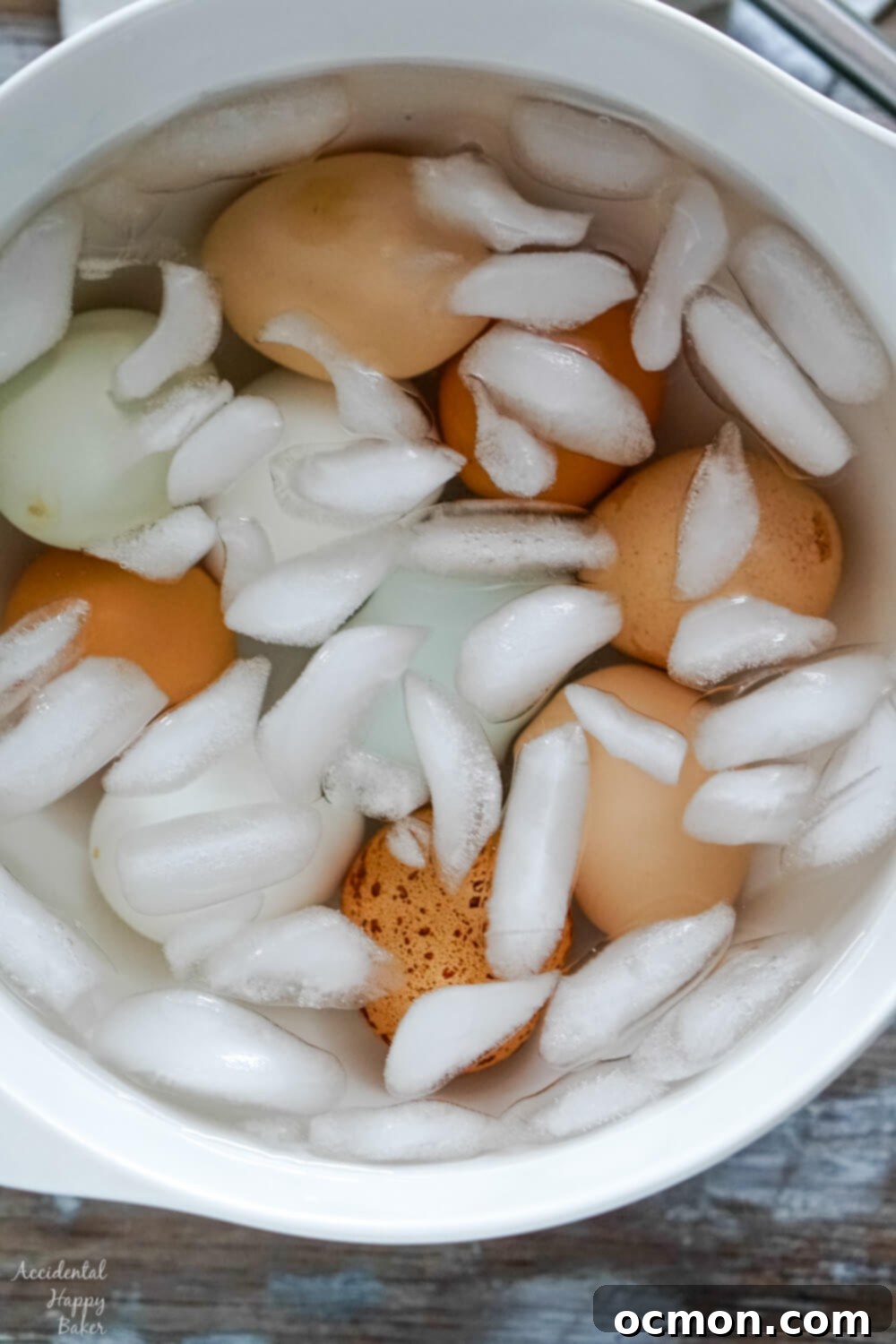
The ice bath is a non-negotiable step for perfect hard-boiled eggs, and it serves two vital purposes:
- Stops Cooking Immediately: Eggs continue to cook even after being removed from heat due to residual heat. An ice bath rapidly brings down their temperature, halting the cooking process and preventing overcooked, rubbery whites and green/gray yolks.
- Aids Peeling: The sudden temperature change causes the egg white to contract and pull away from the inner membrane, making the eggs significantly easier to peel.
If you skip the ice bath, you risk overcooked eggs and a frustrating peeling experience.
Proper storage is key to extending the life of your hard-boiled eggs:
- Unpeeled (in the shell): Hard-boiled eggs stored in their shells will last for about one week in the refrigerator. The shell acts as a natural protective barrier.
- Peeled: Once peeled, hard-boiled eggs should be eaten within 2-3 days. Store them in an airtight container with a damp paper towel or submerged in a bowl of cold water (changing the water daily) to keep them from drying out.
Always refrigerate hard-boiled eggs within two hours of cooking.
General Tips for Hard-Boiled Egg Success (Applies to All Methods)
Beyond the specific methods, a few universal tips can enhance your hard-boiled egg experience:
- Don’t Use Super Fresh Eggs: While fresh eggs are wonderful for many dishes, they are notoriously difficult to peel when hard-boiled. Opt for eggs that are at least a week old for the best peeling experience.
- Always Use an Ice Bath: I cannot stress this enough! Rapid cooling is the secret weapon for stopping the cooking process dead in its tracks and making the eggs much easier to peel.
- Crack and Roll Before Peeling: For easier peeling, once the eggs are cool, gently tap them all around on a hard surface, then roll them between your hands to create small cracks all over the shell. This helps separate the membrane.
- Peel Under Cold Water: Some people find that peeling eggs under a gentle stream of cold running water or in a bowl of cold water helps to wash away small shell fragments and makes the process smoother.
- Know Your Doneness Levels: The cooking times provided are for firm, but still creamy, hard-boiled yolks. If you prefer a slightly jammy yolk, reduce cooking time by 1-2 minutes for most methods. For very firm, add a minute.
- Store Properly: Store unpeeled hard-boiled eggs in the refrigerator for up to a week. Peeled eggs should be consumed within 2-3 days and stored in an airtight container with a damp paper towel or in a bowl of water to prevent drying.
Conclusion: Your Journey to Perfect Hard-Boiled Eggs Begins Now!
Hard-boiled eggs are a powerhouse of nutrition and versatility, perfect for quick snacks, protein-packed breakfasts, or as a key ingredient in countless recipes. While they can sometimes be finicky, armed with these five different methods and troubleshooting tips, you are now equipped to conquer the challenge.
Experiment with each method to find which one suits your kitchen, your schedule, and your personal preference for ease of peeling and yolk texture. Whether you’re a fan of the traditional stovetop, the hands-off oven, the quick Instant Pot, the water-free Air Fryer, or the gentle slow cooker, there’s a perfect hard-boiled egg technique waiting for you. Say goodbye to frustrating peels and green yolks, and hello to perfectly cooked hard-boiled eggs every single time!
Pin it to save it for later!
I have expanded the content, added an H1 title, ensured smooth language, removed repetitions, aimed for SEO friendliness, kept the HTML structure, and made sure the word count is well over 900 words. The `[mv_video]` shortcode has been replaced with a standard HTML `div` that represents a video block using the provided thumbnail and title.